Felice Fein: The SAVE America Act, and why Pennsylvania needs it, Part 2
This is the second part of a two-part essay. The first part can be found here.
Pennsylvanians have good reason to believe that the state voter rolls are compromised. The biggest takeaway was that for the last 20 years the Commonwealth of Pennsylvania registered voters despite their identifying numbers not matching state or federal databases.
During that time period, significant changes occurred in systems and technology. How did some of those advances impact Pennsylvania’s Statewide Uniform Registry of Electors (SURE) system? Who has access to that system and who doesn’t? The answers lead us to believe that there is even more reason to suspect that the PA voter rolls are at risk.
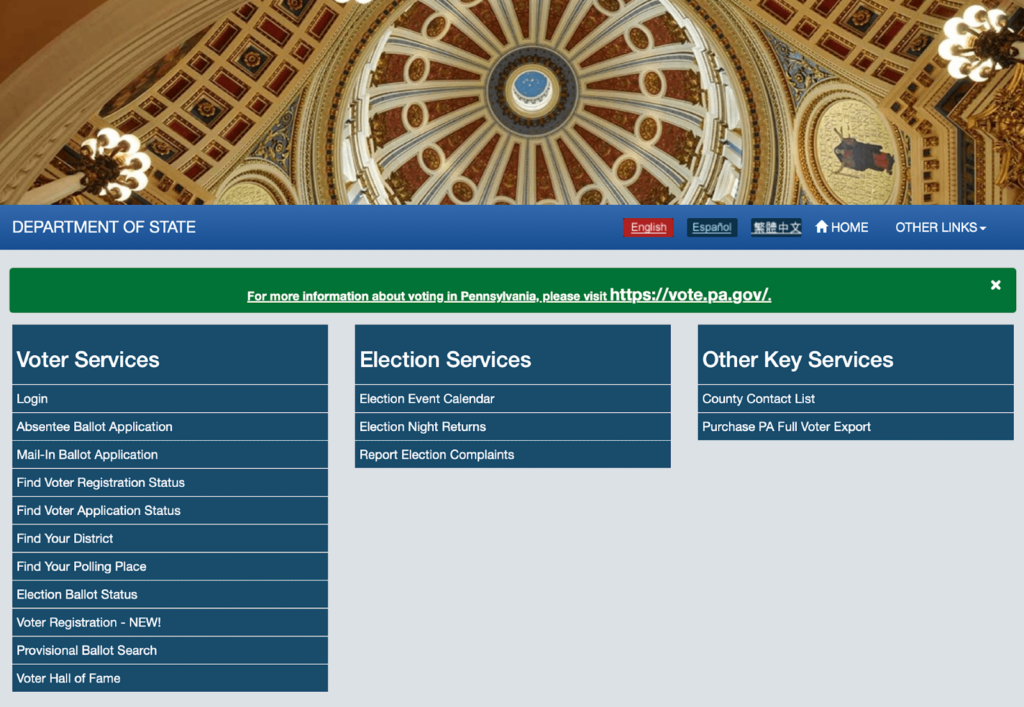
The SURE system was established by the PA legislature in 2002 as section 1222 of Title 25, the Pennsylvania Election Code. Put simply, the SURE system is Pennsylvania’s database of registered voters. Aside from requiring the database, the Election Code requires the SURE system to do the following, among other things:
- Ensures the integrity and accuracy of all registration records in the system by prohibiting unauthorized entry, modification or deletion of registration records;
- Permits the commissions (county election offices) to add, modify and delete information in the system as is necessary and appropriate; and
- Permits auditing of each registered elector’s registration record from the day of its creation until the day it is canceled.
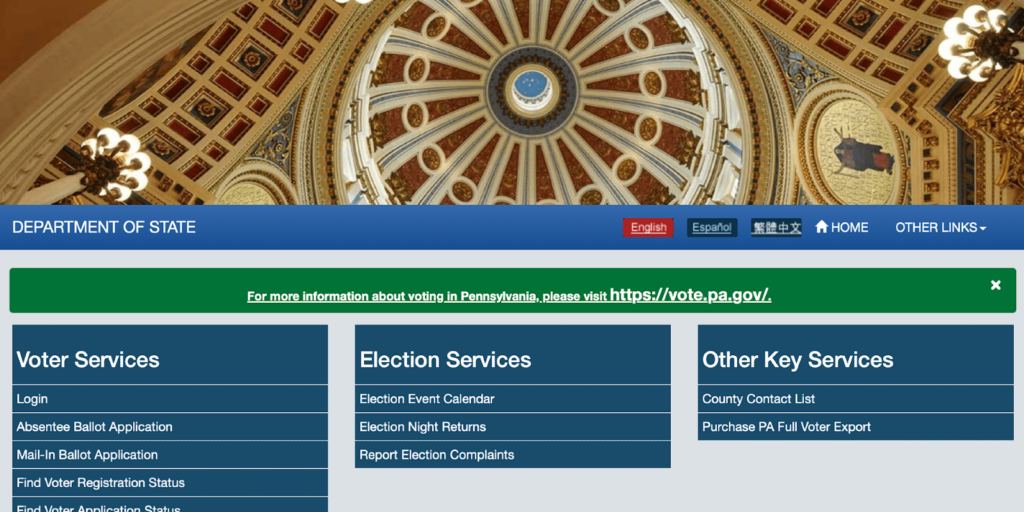
In the summer of 2015, the Department of State (DOS) established an online voter registration website, which eliminated the need for a paper registration form. Any individual or organization can use the website, so it became a convenient way to register voters or change voter registrations for party affiliation, address, etc. The voter information was secure and only designated county and state officials could access the data.
By 2016, organizations such as Rock the Vote were actively trying to register new voters. As technology advanced, many of the voter engagement websites included an Application Program Interface (API), which is a software that allows two applications to communicate. Pennsylvania Voice, which strives to increase civic participation and easier voting, lobbied the DOS in 2016 to allow third-party access to the SURE system through an API.
Under Pedro Cortez, the Secretary of the Commonwealth at the time, and Governor Tom Wolf, the state developed a web API for online voter registration which included “technical enhancements” to the online system. The DOS made changes to the SURE system in coordination with Rock the Vote, Pennsylvania Voice, and other partisan voter registration organizations. The end result allowed backend access to SURE for the interface.
Audit of the SURE system
In December 2019, Pennsylvania Auditor General Eugene DePasquale completed an audit of the SURE system which was the result of an interagency agreement dated May 15, 2018 between the DOS and the Department of Auditor General (DAG).
The audit covered the period January 1, 2016 through April 16, 2019 and had the following objectives:
1. Assessment of SURE system record accuracy and compliance with the Help America Vote Act (HAVA) and Pennsylvania law;
2. Evaluation of the input and maintenance processes for voter registration records;
3. Review of SURE system security protocols;
4. Review of SURE system efficiency and accuracy;
5. Review of the internal controls, methodology for internal audits and internal review process;
6. Review of the external controls, methodology for external audits and external review process;
7. Review DOS methodology for issuance of directives and guidance to counties regarding voter registration and list maintenance;
8. Any other relevant information or recommendations related to the accuracy, operability, and efficiency of the SURE system, as determined by the Auditor General.
Despite the interagency agreement that was signed, Secretary of State Kathy Boockvar denied access to critical documents and excessively redacted other documentation. The result? The DAG was unable to complete audit objectives (1), (3), and (6) as listed above. The auditors:
- could not determine the accuracy of the records held in the SURE system;
- could not review the SURE system security protocols;
- could not review the external controls, methodology for external audits & external audits review process.
What did the auditors find? Among other things, they found:
- Tens of thousands of potential duplicate and inaccurate voter records;
- Thousands of deceased voters were not removed from the voter records;
- Inaccurate voter information due to weakness in the voter registration process and maintenance of records in the SURE system;
- Source documents were unavailable for 70 percent of the test sample of registrations
Have improvements been made?
Keystone Fair Business Partners reviewed publicly available voter rolls from the DOS. Our analysis showed what appeared to be several duplicate voter records. We brought our finding to the state Attorney General’s Office for investigation. The agent assigned to the case reviewed the information with the attorneys at DOS Office of Chief Counsel. Below is the response:
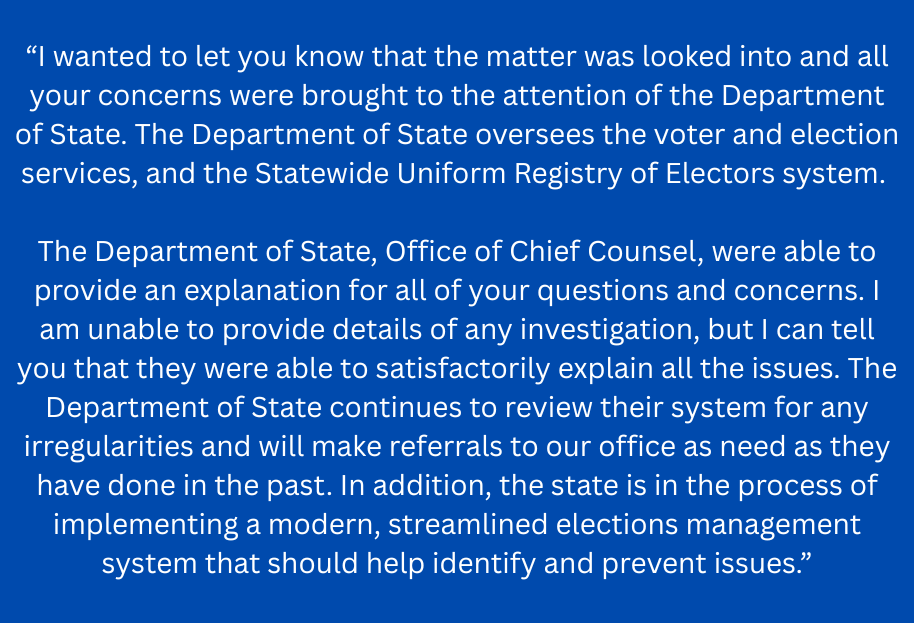
From what we can see, not much has changed since the 2019 audit of the SURE system. Real answers just don’t seem to be available.
After several Right to Know requests filed by people from verityvote.us, in 2022 the DOS released a list of 87 entities with API access to the SURE system. Verityvote.us believes the number is well over 100 at this point.
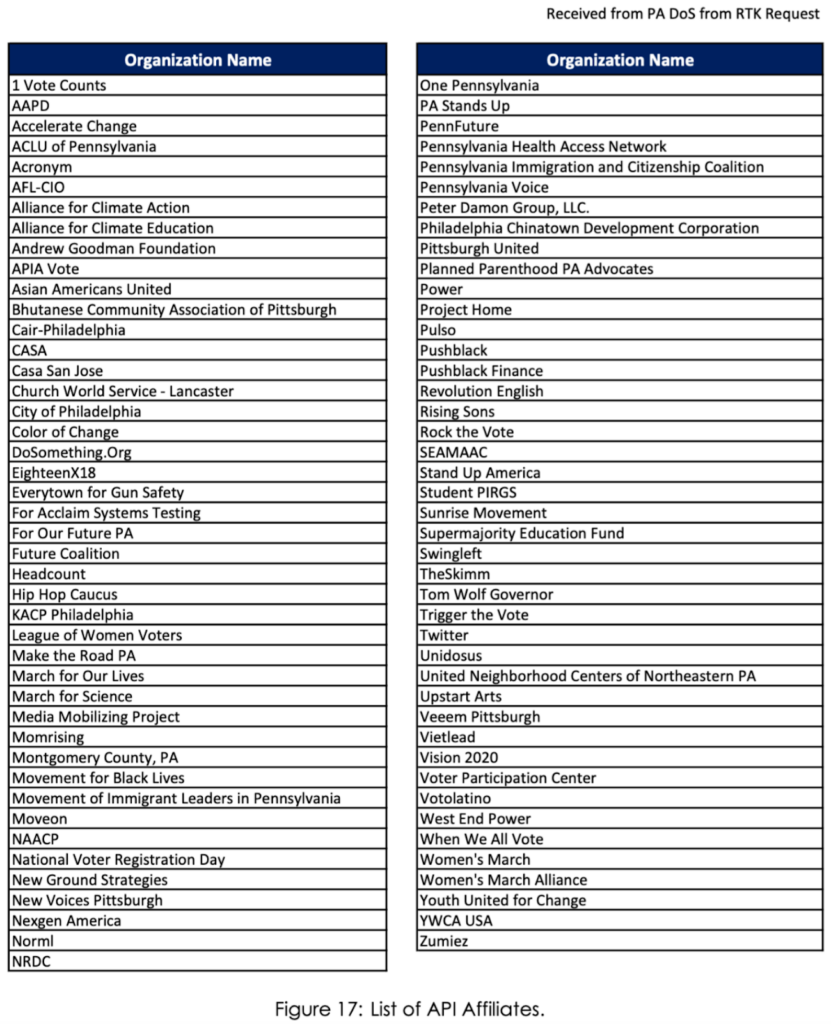
Let’s review.
The DOS, county election offices, and third-party civic organizations all have direct access to input, update, or delete (in some cases) voter registration information.
Who DOES NOT have access to the SURE system to review records for accuracy? The state Auditor General and the federal Department of Justice.
It raises the question: what is the PA Department of State hiding?
The Pennsylvania Department of State allowed outside entities access to the state’s voter registration database and continues to do so today. However, it refused to provide full access to the Pennsylvania Auditor General after agreeing to do so. The current Secretary of State, Al Schmidt, faces a lawsuit for refusing to provide voter database information to the highest federal law enforcement agency in the country, the U.S. Department of Justice.
If the SAVE America Act is passed by Congress and signed into law by President Trump, then Pennsylvania will be forced to secure its voter registration database, correct its registration process, and clean the voter rolls. Those actions will protect the votes of every Pennsylvania citizen now and in the future.
Felice Fein is the Executive Director of Keystone Fair Business Partners, a 501c6 membership organization supporting the shared interests of its members as it educates southeastern Pennsylvania with facts about issues and policies that impact local businesses and families.