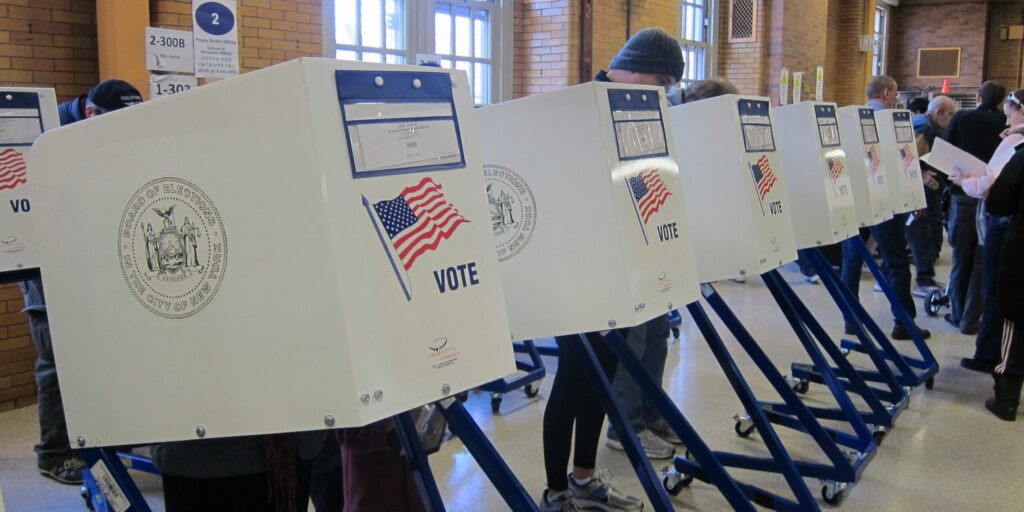
 Photo by Joe Shlabotnik via Flickr
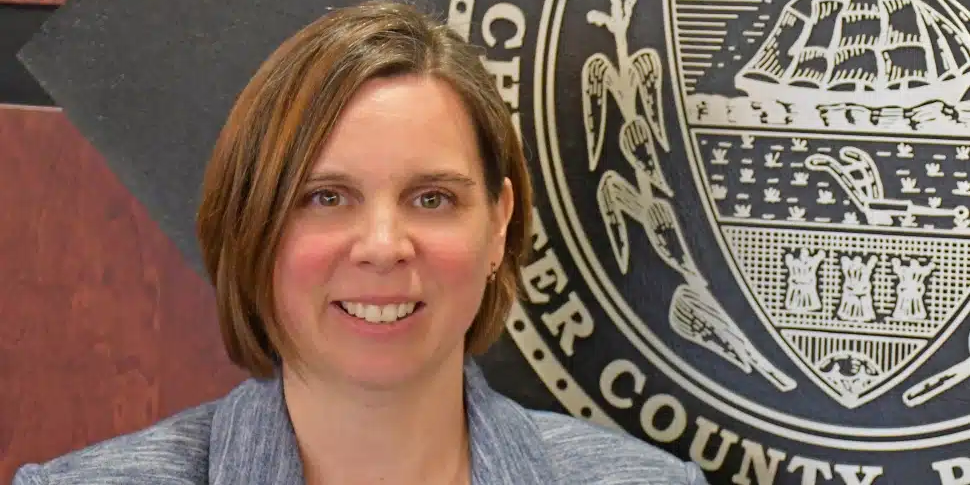
Felice Fein: Voter confidence shaken, and public transparency is the way forward
May 19, 2026, is the Pennsylvania Primary Election where voters from the two major parties select their party nominees to run in the November General Election for Governor, Lieutenant Governor, U. S. House Representatives, State Senate and House Representatives. In addition, this year’s primary allows voters to choose their local and state party committee members, who answer questions about candidates and distribute sample ballots at the polling places on election days.
However, for a variety of reasons many citizens do not trust the election process in Pennsylvania and may choose not to cast a vote as a form of protest.
When Secretary of State Al Schmidt admitted in a recent interview that illegal immigrants are registered and have voted in Pennsylvania elections, it only added to the concerns of citizens.
How do we move forward with election processes when people have concerns? We follow President Ronald Reagan’s advice, “Trust but verify.” In order to help instill confidence in the electoral system, the Pennsylvania Election Code requires that some of the election process be open to public scrutiny. Here we review a few ways “we the people” can watch, examine, and question local election protocols.
Logic and Accuracy
Logic and Accuracy (L&A) testing is a process required to be completed by every county prior to each election. The purpose is to ensure that all equipment (including ballots and scanners) and processes to be used in the election meet certain standards in accordance with a PA Department of State Directive.
The directive suggests, but does not require, counties post public notice of the date, time, and location of the L&A testing at least 48 hours prior to the event to allow citizens the opportunity to view the process. See some of the local county notice information below:
Chester: L&A testing begins Monday, April 20 at 8:30AM;
Delaware: L&A testing begins Tuesday, April 14 at 10AM;
Montgomery: L&A testing begins Wednesday, April 15 at 7AM but no public notice provided;
Philadelphia: L&A testing will begin Monday, April 20 at 11AM.
When asked why Montgomery County does not have any reference to L&A testing on its website, Commissioner Tom DiBello expressed frustration with the lack of project plans around the election process.
“Once you have a well developed project plan for the year then you have everything. The dates change, but the process doesn’t,” stated Commissioner DiBello.
He is cognizant of the fact that people get suspicious when the government doesn’t inform the public about dates, processes, etc. DiBello does not know why the L&A testing information isn’t listed on the county website, but he assured us that he will find out and try to remedy the situation.
Poll watchers and vote count observers
The public is encouraged to not only vote in each election but to bear witness to the actions, decisions, and processes that occur inside the polling place. Only those with “Poll Watcher Certificates” may stay quietly inside the polling place to watch the process. Polls are open from 7AM to 8PM on Election Day. Watchers are allowed to witness the setup prior to the opening of the polling place, the closing of the polls, and any time throughout the day. Trainings are available to help citizens understand the law and to be able to recognize if any unusual activity takes place.
Certificates are created by the county Voter Services Departments or the Board of Elections, but the two major parties usually facilitate voter requests to be Poll Watchers. Anyone wishing to be Poll Watcher should contact the local party headquarters to request a certificate as soon as possible. Waiting until close to the election can cause delays and even denial of certificates.
If you have never watched the mail-in ballots being counted, it is something to experience. Viewing the process helps voters see how each mail-in ballot is sorted, opened, and counted. The high-speed scanners and USB drives used to count the thousands of ballots will have undergone testing during Logic and Accuracy.
Observers can watch the decision-making process when a tabulator breaks down or ballots are torn during envelope opening. Voters must follow a specific process in completing their ballots, i.e. placing the ballot into a security envelope, which is then placed into the outer mailing envelope where the voter must sign and date it. What happens if they don’t? Who decides if that ballot is counted? Observers find out.
By statute, all mail-in ballots are canvassed, or opened and counted, beginning at 7AM on Election Day. The process continues until all legally cast ballots are counted.
As with poll watching, the mail-in ballot observer must go through the local political party office to obtain an “Observer Certificate” from the county election office.
The bottom line
It is understandable that citizens have lost confidence in the election process in Pennsylvania and the country. When a Secretary of State admits that non-citizens are registered to vote and actually have voted in our elections, there is cause for concern. When the same Secretary of State has not indicated any attempts to remove non-citizens from the state voter registration list and refuses to provide the complete list to the U.S. Department of Justice, there is even greater cause for concern.
However, citizens can take an active role in scrutinizing certain aspects of the election process, and they should. We don’t know what we don’t know until we experience procedures and seek answers to questions. If you are concerned about elections, then attend Logic & Accuracy testing in your county or become a poll watcher or mail-in ballot observer. Only in doing so can we hold elected officials accountable and begin building the long road toward transparency and voter confidence.