
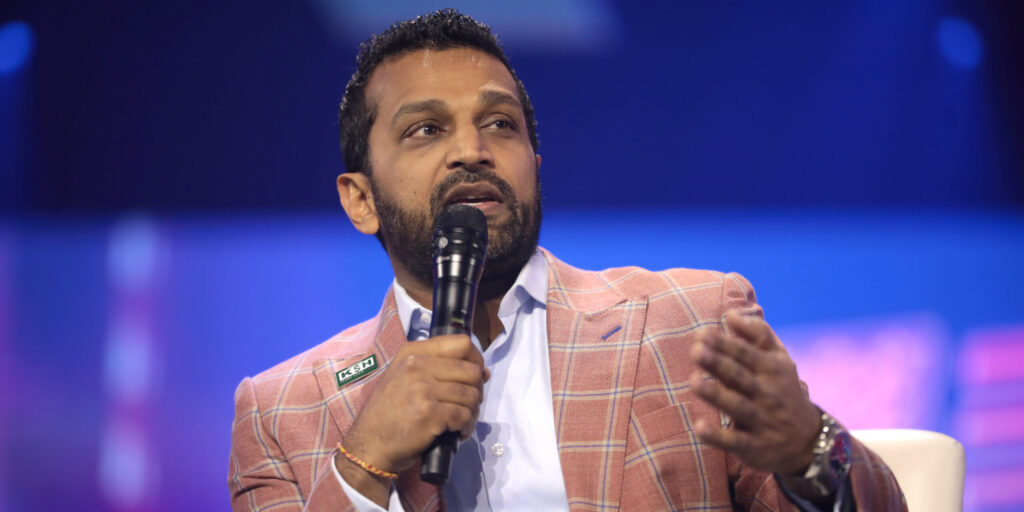
 Kash Patel, 2022. Photo by Gage Skidmore
Ben Mannes: FBI’s Kensington raid gives hope for relief from rampant crime
Federal authorities dealt a decisive blow to one of Philadelphia’s most notorious criminal enterprises, executing a sweeping drug raid in the Kensington section that has led to the dismantling of a violent organization accused of flooding the neighborhood with fentanyl, heroin, crack cocaine, and firearms over nearly a decade.
On Friday, officials announced the indictment of 33 alleged members of the Weymouth Street Drug Trafficking Organization, marking the largest federal indictment of its kind brought by the district this century. Coordinated raids across Kensington and as far away as Puerto Rico resulted in 24 arrests, with eight more suspects already in custody and one remaining at large.
The federal case centers on the 3100 block of Weymouth Street, a corridor infamous for the open-air market fueling Philadelphia’s opioid crisis. The group operated with the precision of a cartel, employing a rotation of workers, managing drug proceeds, intimidating rivals, and enforcing territorial control with violence.
“We have permanently removed a drug trafficking organization off the streets of Philadelphia,” proclaimed FBI Director Kash Patel, praising the extraordinary cooperation among the FBI, Philadelphia Police Department, the DEA, and the Pennsylvania Attorney General’s Office.
The Threat to Kensington
For years, the Weymouth crew ran a 24/7 operation, distributing staggering quantities of illicit drugs while terrorizing local residents. According to the U.S. Attorney’s Office, ringleader Jose Antonio Morales Nieves dictated who could sell narcotics on the block, collecting “rent” and directing violent reprisals against any who threatened his grip on the territory.
Federal prosecutors described the organization’s systematic approach to drug sales: managers coordinated shift schedules, assigned roles, and ensured the steady flow of drugs and cash. Officials recovered dozens of firearms and large stashes of narcotics in the multi-location operation.
“For too long, the Weymouth Street drug trafficking organization flooded the streets of Kensington with drugs and terrorized residents with horrific acts of violence and intimidation,” said Wayne Jacobs, Special Agent in Charge of the Philadelphia FBI. Community members, long subjected to fear, expressed hope that this raid would mark a turning point for the neighborhood.
Law Enforcement Cooperation and Notable Absence
A striking aspect of the operation was the display of traditional interagency coordination between federal, state, and city law enforcement. Hundreds of personnel across nine tactical teams worked seamlessly between federal and state agencies, marshaling resources for maximum impact in a similar way to how American communities were made safer during the crack epidemic of the 1980s and 1990s. These coordinated efforts were lauded during the subsequent press conference, which featured top officials from the FBI, Philadelphia Police, DEA, and Attorney General’s Office.
However, Philadelphia District Attorney Larry Krasner’s office was absent from the operation, the prosecution, and the press conference, a fact that did not go unnoticed by local observers and national media. Sources indicated that Krasner’s office played no role in either the investigation or the charges, a departure from past large-scale drug busts in the area. Analysts see this as part of a broader pattern of district attorney disengagement in tough-on-crime federal actions, fueling ongoing public debate about the future of criminal justice in Philadelphia.
Philadelphia District Attorney Larry Krasner’s conspicuous absence from both the raid and prosecution of the Weymouth Street Drug Trafficking Organization in Kensington has sparked immediate controversy and public comment across the city. While federal and state authorities hailed their coordinated operation — led by the FBI, Philadelphia Police Department, DEA, and Pennsylvania Attorney General’s Office — Krasner’s office was not present and played no reported role in the investigation, charging, or high-profile press conference that followed the arrests.
Dozens of officers raided eleven properties, arresting 24 of 33 indicted group members and dismantling what federal officials termed one of the city’s most violent and prolific drug enterprises. The operation was described as “the largest federal indictment this century” for the district, coordinated and publicly discussed by federal, state, and local law enforcement — but the DA’s office was not involved in any phase or public communication about the case.
Sources both in media and city government noted that Krasner’s absence marked a clear break from past precedent, where the DA’s office customarily participated in major busts, often with their own team of prosecutors and spokespeople. This lack of engagement was noted by residents, journalists, and commentators as highly unusual—a fact amplified by public posts and on-the-ground reactions.
Public Reaction and Speculation
Local reaction on social media and community forums was swift and critical, with some commentators framing Krasner’s absence as “saying everything” about the current state of collaboration between Philadelphia’s prosecution and law enforcement agencies. Policy analysts have suggested that Krasner’s progressive policies and office priorities may be at odds with the federal, state, and city approach represented in the raid, fueling speculation over potential reasons for the divide.
Historically, activists and neighborhood groups have pressured Krasner both for and against harsher drug prosecution in Kensington, but in this case, the district attorney’s office issued no statement and did not appear alongside other agency leaders during the press briefing or any related public events.
The absence has become a focal point for debate about law enforcement strategies, prosecution priorities, and the future of criminal justice collaboration in Philadelphia, especially as communities seek unified action in the face of persistent drug-related violence in the city’s hardest-hit neighborhoods.
As Kensington begins to recover from years of violence and addiction, the latest takedown stands as both a warning to organized criminal groups and a blueprint for interagency law enforcement success.
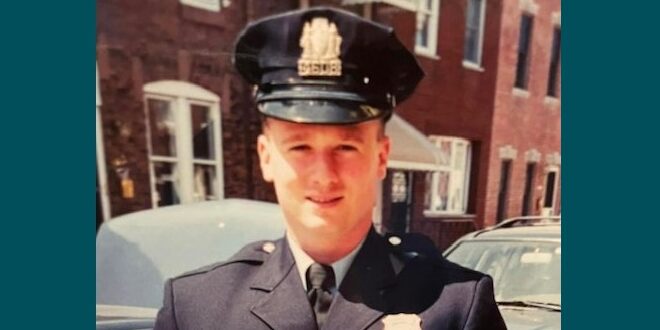
Based in Philadelphia, A. Benjamin Mannes is a consultant and subject matter expert in security and criminal justice reform based on his own experiences on both sides of the criminal justice system. He is a corporate compliance executive who has served as a federal and municipal law enforcement officer, and as the former Director, Office of Investigations with the American Board of Internal Medicine. @PublicSafetySME
Excellent work by all involved, despite the local DA’s office in Philly.
Fire Krasner.
The only way to remove a cancer like what’s spreading in Kensington and the DA office is to cut it out! All of it!