 Photo by National Ocean Service Image Gallery
Chris Scafario: Philadelphia is becoming the home port of America’s shipbuilding resurgence
In a recent feature in the Philadelphia Business Journal titled “Dropping Anchor,” reporter Ryan Mulligan spotlighted Hanwha Philly Shipyard’s ambitious push to hire up to 10,000 workers over the next five years, nearly quadrupling its current workforce of more than 2,000. Anchored in South Philadelphia’s Navy Yard, the shipyard aims to increase production capacity more than tenfold, from one to one-and-a-half ships per year to as many as 20. As CEO David Kim recently described on CBS’ “60 Minutes,” this expansion, supported by strong local and federal momentum, positions Philadelphia as the home port for America’s maritime revival.
These maritime collaborations don’t just add a new layer; they amplify our existing strengths in “eds and meds” by driving advancements in medical training, equipment, and protocols that protect and heal lives. Now, as shipbuilding emerges as a star example of this resurgence, Philadelphia is positioning itself as the home port for America’s maritime revival.
Recent federal grants, private investments, Mayor Cherelle Parker’s vision for a thriving economic hub in South Philadelphia, and policy support — including President Trump’s “America’s Maritime Action Plan” and the proposed $65.8 billion for ship maintenance and procurement in the fiscal 2027 budget — are galvanizing a collaborative ecosystem. This ecosystem boosts national security, generates high-wage jobs, and ensures economic stability, extending our tradition of innovations that sustain and preserve life through forward-thinking, inclusive action.
This momentum is already in full swing. Earlier this year, an $8 million federal grant from the U.S. Department of Labor was awarded to a partnership led by Delaware County Community College, alongside Hanwha Philly Shipyard and a consortium of regional higher education institutions. This four-year initiative, “Building the Future: U.S. Shipbuilding Workforce Expansion Through Global Collaboration,” is designed to train workers in high-demand skills like welding, electrical systems, robotics, AI, and automation. It aims to scale apprenticeship capacity from 120 to up to 500 annually by 2027, creating clear pathways to family-sustaining jobs paying $60,000 to $70,000 with minimal debt.
What makes this program stand out is its inclusivity and global reach. It specifically targets veterans who have dedicated themselves to safeguarding our nation, along with people with disabilities and high school students, offering them hands-on opportunities. Participants will even travel to Hanwha’s state-of-the-art facilities in South Korea for immersive training, blending international best practices with local needs. These collaborations not only enhance efficiencies but also support humanitarian and defensive missions, ensuring peace through strength and advancing life-preserving technologies that extend from the battlefield to everyday healthcare settings.
Hanwha serves as a key catalyst in this story. Following its $100 million acquisition of Philly Shipyard in 2024 and a $5 billion investment plan announced in August 2025, part of the South Korean government’s broader $150 billion pledge toward U.S. shipbuilding investments, the company signed a January memorandum of understanding with Canada’s Algoma Steel to supply specialized steel for submarines.
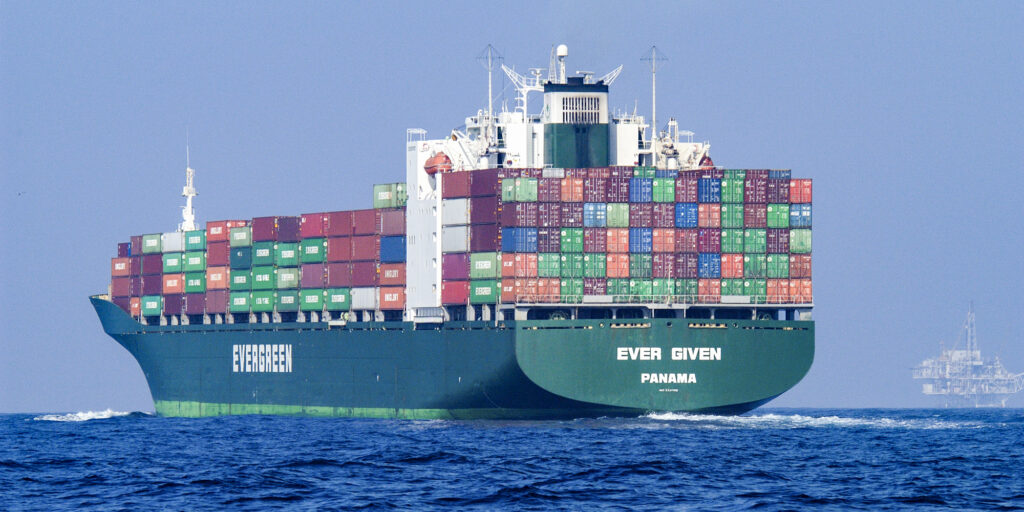
This builds on Hanwha’s expansions at the shipyard, including new docks, quays, and a block assembly facility, which will ramp up annual vessel output from under two to as many as 20. This includes Jones Act-qualified medium-range tankers for Hanwha Shipping and ongoing container ships for Matson. By adopting efficient Korean large-block construction methods, Hanwha has already doubled productivity, addressing surging demand and cementing Philly’s role in the national shipbuilding revival.
But Hanwha isn’t alone. Other regional players are stepping up with equal vigor. Take Rhoads Industries’ nearly $100 million expansion at the Philadelphia Navy Yard, announced in July 2025 with strong backing from Governor Josh Shapiro. Supported by the Pennsylvania Department of Community and Economic Development, this project will create 450 new high-wage jobs while retaining over 500, doubling capacity through a new 95,000-square-foot facility with direct pier access for U.S. Navy submarine components.
This expansion directly tackles critical Navy bottlenecks. As a Congressional Research Service report outlines, Virginia-class submarine production currently lags at about 1.2 vessels per year, far short of the two-plus needed to counter Indo-Pacific threats and fulfill AUKUS alliance commitments. The $8 million grant complements these efforts by fostering public-private hubs that integrate Navy oversight with global efficiencies, including international training exchanges.
Together, these developments illustrate how our “eds and meds” institutions, like those in the higher education consortium, are partnering with industry on maritime R&D, workforce development, and innovations in naval engineering and prolonged field care. These advancements in extended medical protocols not only meet military needs but also enhance civilian healthcare, directly saving lives by improving treatment for injuries and mental health in prolonged scenarios.
Zooming out, Philadelphia’s broader ecosystem is uniquely primed for this growth. Our maritime supply chain, encompassing precision machining, heavy fabrication, composites, ASME-certified firms, and radiation-qualified handlers all within a 90-minute radius, gives us a competitive edge. And the economic ripple effects are profound.
Amid mixed national manufacturing signals, our maritime sector is thriving, generating thousands of jobs, upgrading skills, and injecting billions into the local economy. Access to talent and materials remains the primary hurdle, but initiatives like these are addressing it head-on. High-wage opportunities reduce poverty and empower diverse communities, allowing families to thrive and build brighter futures.
To fully capitalize on this opportunity, we need bold policy action now: scaling apprenticeships into the thousands, incentivizing automation, establishing more public-private hubs, and offering flexible certification grants. Philadelphia isn’t waiting; our stakeholders are already mobilizing. But lawmakers at all levels must invest to turn this momentum into a lasting lifeline. This isn’t a departure from our Revolutionary-era shipyard legacy; it’s an evolution into a 21st-century powerhouse that secures both economic vitality and industrial progress.
This resurgence goes beyond ships. It’s about rebuilding communities, sparking innovation, and anchoring America’s future right here on Philadelphia’s riverfronts. By upholding our commitment to advancements that preserve and enhance life worldwide, we’re fostering responsible, inclusive growth that benefits everyone and transforms potential into enduring progress.
Chris Scafario is president and CEO of the Delaware Valley Industrial Resource Center, a nonprofit supporting manufacturing in southeastern Pennsylvania. Learn more at dvirc.org.