
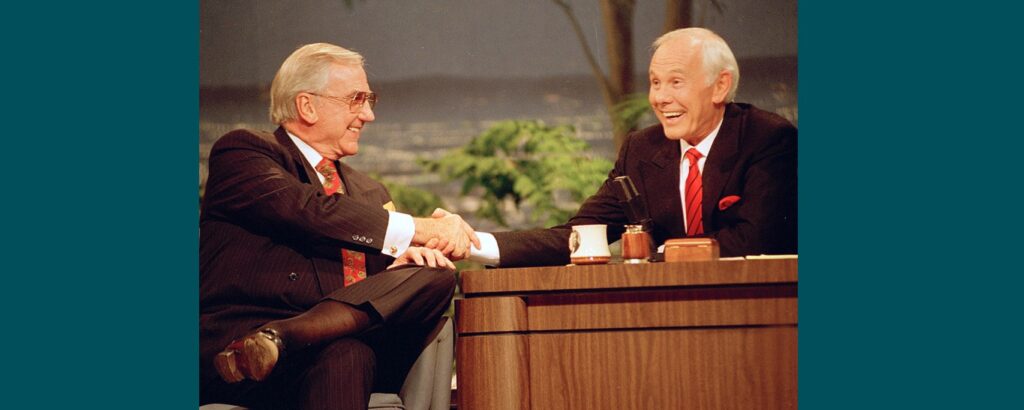
Jeff Hurvitz: The decline and fall of late night TV
In 1954, The Steve Allen Show was launched on NBC’s local TV station in New York. That same year, the program began its national airing as The Tonight Show. Thus began a late-night run of talk/entertainment shows which has continued to this day.
But now the beginning of the end may just have taken place, as CBS announced it will cancel its Late Show With Stephen Colbert next year. While the timing of the announcement was in question, the signal was clear: The TV audience for this type of show, especially in the coveted 18-49 demographic, was anemic and no match for streaming platforms that have drawn younger viewers, or even for cable TV’s offerings.
The well-in advance announcement came on the heels of CBS’s large settlement with President Donald Trump on his assertion of bias by the network in the lead up to the 2024 election. That same network, under the ownership of Paramount Global, is now looking to a merge with Skydance Media, a deal that requires FCC approval. The President has constantly been the object of ridicule by Colbert during his nightly monologues. It is a reasonable question to ask if this announcement some ten months in advance of the plug pulling was not to curry favor with the chief executive.
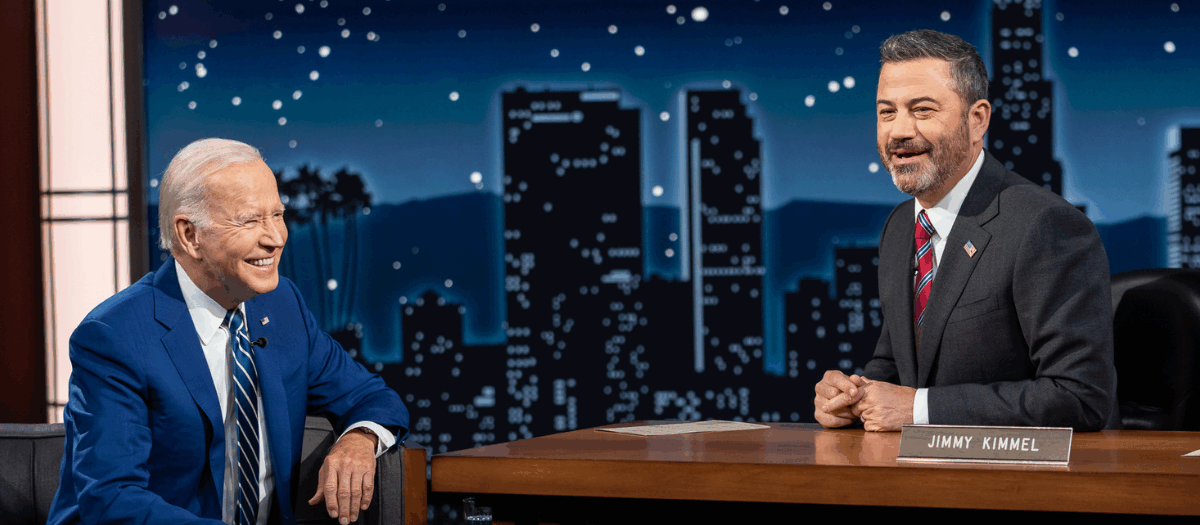
Still, the numbers are telling. In its heyday during the hosting of Johnny Carson, The Tonight Show averaged 17 million viewers. For Carson’s farewell show in 1992, there were 55 million sets of eyes, an audience share of 62 per cent. These days, Colbert is the leader among the three late night broadcast network shows. His audience is averaging 2.4 million, while ABC’s Jimmy Kimmel is at 1.7 million and NBC Jimmy Fallon attracts just 1.1 million.
According to Podcast Statistics.Com, some 506 million people experienced podcasts in 2023, with a projection of over 600 million by the end of this year. Greg Gutfeld’s show on the Fox News Network’s garnered 3.2 million to its late night cable program in the 2nd quarter of this year. In the 25-54 demographic, Gutfeld outperformed Colbert’s legacy audience by 18,000.
Yes, Colbert’s show was bleeding CBS to the reported tune of $40 million annually. Apparently, its lead-in to its morning programming — as people fall asleep with the channel they have on — was not enough to offset the money bath. Left in Colbert’s wake will be the shows on NBC and ABC. Still, how long before they experience the death knell?
The media world is changing, greatly and at a rapid pace. It may not be long before we speak fondly of the days before fragmentation, when so many of us had the communal experience of enjoying the same show at the same time. Long gone is that moment in mid-century when Steve Allen launched what would be a great and long tradition.
Jeff Hurvitz (jrhurvitz@aol.com) is a freelance writer and native Philadelphian.

Or maybe late night viewers are sick an tired of unfunny terminal TDS headcase hosts that constantly push liberal BS narratives and guests like Schiff, Kamala, etc. who are as phony as the hosts are. Ya think?
Kimmel is next, as Disney is hemorrhaging from their own woke problems, let alone carry his TDS schtick.
I was a teen when the Late Night began. I liked Steve Allen, Jack Parr not so much, David Frost even less. Johnny Carson, Ed McMahon, The Home Run. What I loved most of all was the fact it was live, no covering up the bloopers and mistakes, just watch them soldier on. Steve Allen did a lot of the show’s commercials and the blooper that still causes me to laugh was Steve was demonstrating a supposed unbreakable plastic chair, he hit it with a hammer full force and the hammer went clean through the seat and Steve was left looking completely dumbfounded. The other was John Cameron Swazey, a well-known TV personality. He was a pitchman for Timex watches and the aim of the advertisements were to show you how rugged and reliable the watches were for a cheap price. There was a commercial where the watch was fastened to the propellor of an outboard motor in a barrel of water, as the motor was being run Swazey was touting the strength of the watch, shut the motor off and tilted the motor out of the water to show the watch survived, and there was NO watch anywhere. He looked at the propellor for several seconds and then with a straight face, said “well if the watch was still there, it would still be ticking.” Love live TV.
Carson showcased many great comedians just getting famous (Eddie Murphy, Jerry Seinfeld, Robin Williams) as well as legends (Jonathan Winters, Rodney Dangerfield, Richard Pryor). Some of the funniest times were when Burt Reynolds and Dom DeLuise were on together, or Don Rickles stopped by. The Golden Age of Late Night.
The key to this entire argument is that Colbert failed to draw sufficient numbers of the desired demographic to make his show’s advertising slots valuable enough for advertisers willing to pay. Losing $40 million a year is no joke. Some could argue that perhaps if Colbert challenged CBS by refusing his $20 million/year salary from now until next May to cut the loss while he and his staff reworked to show to make it desirable to folks other than the declining base of Baby Boomers that apparently make up the majority his current audience. Also, once his contract is over Colbert can start his own YouTube channel and/or podcast or go on the speaker circuit and make his money those ways. The size of his current TV audience (2.4 million) would be a respectable although not so much when you consider Joe Rogan’s podcast audience has 11 million listeners
Well that certainly explain the economics of it, but WHY did he fail to draw sufficient numbers? And why did CBS let him fail for so many seasons as they bled red in this timeslot? And Who is their desired demographic? Go Woke, Go Broke.