Photo by Jared Hansen via Flickr
Rep. Joe Kerwin: We need to reform pharmacy benefit managers
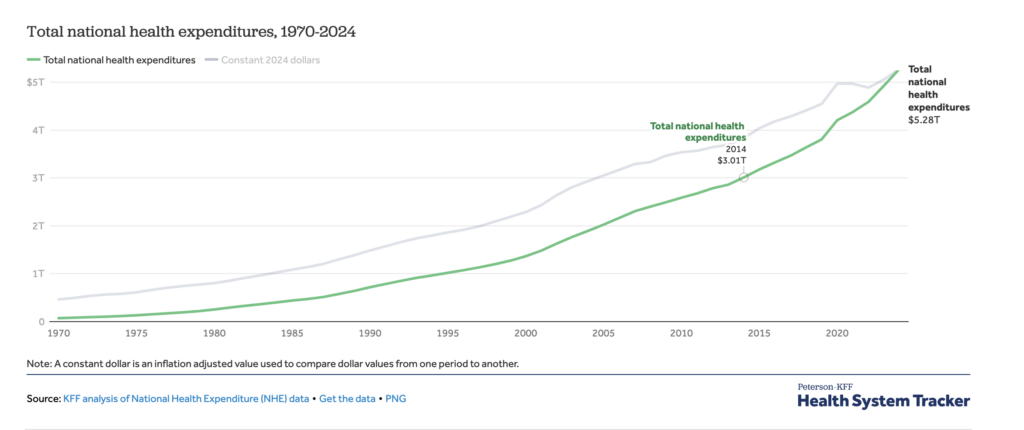
Rising inflation and increasing costs have left the average American feeling the financial pinch. Everywhere you turn these days, the price of goods and services are going up, straining family budgets, and leading to difficult decisions on how to stretch income as far as it can possibly go.
Increasing medical costs are only exacerbating this issue. I doubt there is anything more challenging than trying to manage affording basic life necessities – needing to prioritize enough food, a home, or medical care. These are choices individuals should not be forced to make. While these are big issues that won’t be solved with a single solution, there are changes and reforms that can be implemented to bring financial relief to patients and employers who are feeling the strain of the increasing cost of healthcare in our country.
One area that could help address rising health care costs is pharmacy benefit manager (PBM) reform.
Originating in the 1960s, PBMs were intended to help manage prescription drug costs for employers and insurers. The concept was to create an entity that could be the go-between for insurers, pharmacies, and drug manufacturers to streamline various administrative aspects of prescription drug plans. While good in theory, the reality has been far from ideal. A lack of oversight and regulations has allowed the PBM system to become a profit-driven industry sector that, instead of reducing prescription drug costs, has actually led to higher prices for patients and employers.
A lack of transparency and an inability to hold PBMs accountable have created a corrupt system that is in desperate need of reform. Thanks largely to vertical integration and the establishment of their own Group Purchasing Organizations (GPOs), PBMs have amassed significant power and control over the drug pricing market.
To paint a quick picture of their market influence, consider that currently, three PBMs control nearly 80 percent, or a majority, of all U.S. prescription drug claims. Additionally, PBM-affiliated pharmacies control 68 percent of specialty drug dispensing revenue and 75 percent of mail-order dispensing revenue.
This has proven to be a lucrative set-up for PBMs, an industry estimated to generate $100 billion in annual revenue. These revenues are largely a result of practices such as spread pricing and pocketing rebates for themselves, rather than passing them on to the patient or consumer.
Let me put this into perspective in terms of dollars and cents: for every $1 spent on brand-name drugs, PBMs receive 42 cents in rebates and fees. While PBMs and PBM-affiliated pharmacies benefit from the current environment, independent, local pharmacies are left behind. In fact, in 2023, over 1,000 independent pharmacies closed their doors because they couldn’t compete with PBM-owned pharmacies. This not only limits patients’ access to their medications but also harms local economies as jobs are lost and tax revenue decreases.
Simply put, the current dynamic is unsustainable.
With PBMs serving as middlemen, prescription drug prices continue to rise with no relief in sight. PBMs are content to watch their profit margins increase while patients, small businesses, and independent pharmacies struggle.
Something has got to give.
For the second consecutive year, a comprehensive PBM reform bill has been gaining momentum in Congress. This proposal has strong bipartisan support, as well as the support of the Trump administration. Common-sense reforms, such as mandating drug prices reflect what pharmacies really pay; ending secret behind-the-scenes deals between PBMs and other entities; demanding transparency in what PBMs charge employers and insurers for medicine; and restricting hidden fees will go a long way in right-sizing the PBM system. Transparency, oversight, and accountability will bring significant savings for employers, patients, and the government, which is experiencing cost increases in programs like Medicare. Let’s also keep in mind that government cost savings benefit taxpayers across the board.
PBMs have become an expensive and expansive middleman that exerts a significant amount of influence over the prescription drug pricing market. It’s time to reform this broken system and help reduce health care costs – Congress must get PBM reform across the finish line this year.
Rep. Joe Kerwin represents the 125th Legislative District in the Pennsylvania House of Representatives, representing portions of Dauphin County.