
Sen. Cris Dush: Saving our rural hospitals and more — why I support the One Big Beautiful Bill
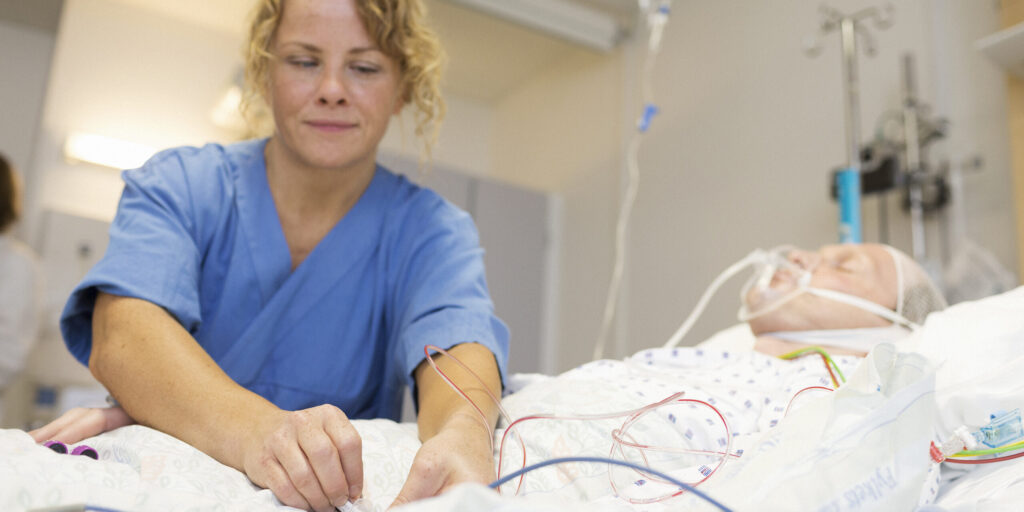
With five of the seven counties I serve being declared a “maternity care desert,” preserving and expanding rural healthcare access is of paramount importance to me.
As budget negotiations continue, the governor and the majority of PA House and Senate Democrats are intentionally misclassifying the 1.4 million illegals and those who are able, but unwilling to work, being kicked off Medicaid due to the One Big Beautiful Bill (OBBB) as the elderly and disabled.
Let’s briefly examine some of the other most common, fear-generating fabrications currently being stoked by Democrats in Pennsylvania and Washington, D.C. regarding the OBBB reforms to Medicaid and Medicare, which this cabal are alleging will endanger our rural hospitals.
First and foremost, the OBBB does no harm to rural hospitals; but includes a special $50 billion fund specifically dedicated to supporting rural hospitals that are already struggling due to Medicaid’s low reimbursement rates.
Medicaid isn’t propping rural hospitals up; it’s dragging them down. Moving more people to the workforce and private insurance could actually have a net positive impact on rural hospitals –– since private insurance reimburses hospitals at a higher rate than Medicaid.
In fact, rural hospitals comprise just seven percent of all hospital spending on Medicaid, strongly indicating that they have not benefited from the corresponding massive increase in waste, fraud, and abuse under the Biden administration.
Another major reason that I support the OBBB is to prevent both Medicare and Medicaid from going away entirely.
Specifically pertaining to Medicaid, OBBB protects and strengthens Medicaid for those who rely on it—pregnant women, children, seniors, people with disabilities, and low-income families—while eliminating waste, fraud and abuse as it removes illegal aliens, enforces work requirements, and protects Medicaid for the truly vulnerable.
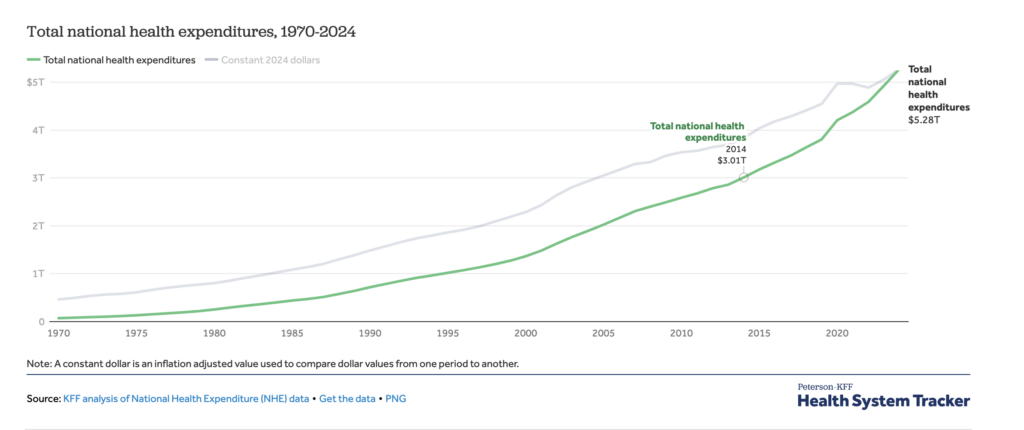
In Pennsylvania, the Medicaid rate of growth is expected to be approximately 4.2 percent without reforms. Under the One Big Beautiful Bill, the rate of growth should be closer to 2.5 percent, which is comparable to the rate of inflation.
This is projected to save approximately $1 trillion nationwide over the next decade.
Similarly, OBBB does not make a single cut to Medicare — it safeguards and protects this program for all eligible Americans. Conversely, if more and more people who are not in need of assistance gain eligibility, the entire Medicare system will collapse; and then no one will be able to receive help.
In reality, the federal reconciliation bill approved by Congressional Republicans and signed into law by President Trump delivers unprecedented tax relief for working families, while at the same time preserving health care and food services for truly vulnerable American citizens.
Final implementation of the OBBB will expand rural hospital protection, deliver targeted funds for rural care and give states the necessary flexibility to support local healthcare providers.
Senator Cris Dush (R-25) is majority chairman of the Senate State Government Committee and a member of the Senate Appropriations Committee.

Time will tell, but Republicans need to share this type of information, refute the false information from the left. Well done Sen Dush! The left has no agenda of there own aside from bash this administration, which admittedly has days that make it pretty easy to do.
Senator Dush paints a rosy picture if only it were true. Having worked in the social service field and now actually working among the minimum wage crowd in retirement I can attest to the following. First, to think that all employers offer health plans at reasonable cost is a pipe dream. The working poor usually can’t afford them if offered. Second, people without health insurance, for whatever reason, end up in emergency rooms that, by law, have to treat them. This includes illegals and the unemployed. Who pays for that? We all do. The Affordable Care Act had it right until it was gutted by those who didn’t want the government telling them they had to carry insurance, even low cost insurance, or pay a small yearly fine. If we made it easier for people to become legal they could both fill a demand and then contribute to their own insurance premiums. Able bodied people that refuse to work (if jobs are available) should be billed if they want Medicaid coverage. Finally, it would be really nice to read an editorial sometime that didn’t blame one party or the other.