Rep. Jim Struzzi: New year, new budget
As we turn the calendar from January into February, we come to the realization that the holiday season is a distant memory, and we are back into the normal routines of work and school. Many among us are working to live up to the New Year’s Resolutions that are intended to improve our lives in 2026. I propose that our Commonwealth and its leaders should begin the budget season in 2026 with a shared New Year’s Resolution for the people of Pennsylvania.
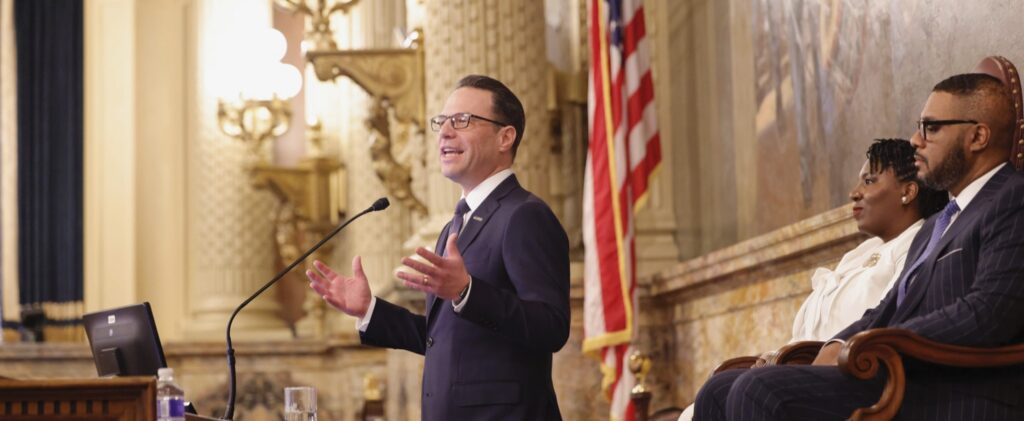
This year, state government leaders – starting with Governor Shapiro – should have a shared commitment to be practical and prudent in crafting a state budget for Fiscal Year 2026-27, reflecting our responsibility to the Commonwealth’s citizens.
If you are skeptical, it is fair to point out that most New Year’s Resolutions fail. According to polling, roughly 50 percent of resolutions fail by March.
The good news for us is that the governor will offer his budget proposal on February 3 – by which point, statistically, only eight percent of resolutions have failed.
Three straight budgets have been signed late, in no small part because the starting point was so unrealistic. This became painfully clear in 2025, when the Governor’s initial budget proposal was woefully out of touch, leading to an impasse and a budget that was more than four months late. However, what made last year different from the previous two budgets was the fact that the final enacted budget earned strong bipartisan support.
The enacted budget for the 2025-26 fiscal year was able to win support in the legislature because it reflected a more reasonable spending level than the governor’s proposal and included important policy changes to grow our economy. We must continue to build on the historic achievements of permitting reform, benefit integrity, and education reforms, working together for Pennsylvania’s future.
Should the governor choose to propose bloated spending once again, any form of energy taxes, or unnecessary government growth, the progress we made over the course of the past year will be undone. This is why I suggest we all adopt a realistic and practical approach in 2026.
Pennsylvania’s fiscal challenges will not be fixed in one budget, but the decisions we make today can create meaningful long- and short-term improvements. Recognizing that cost drivers are projected to continue to grow, we have an opportunity to shape a sustainable fiscal path.
It is also foolish to believe policy changes included in the budget passed in November 2025 cannot be improved upon in 2026. Take, for example, the Streamlining Permits for Economic Expansion and Development (SPEED) program.
The SPEED program was initially authorized as part of the 2024-25 budget, which included five permit types. The program was expanded to include three more categories with the passage of the 2025-26 budget.
We know the best way to grow our economy is to limit the negative impacts of government; the SPEED program is doing just that. These economic gains are the only way we will be able to meet the Commonwealth’s spending needs without painful cuts or massive tax increases.
There will be plenty of time for politics in 2026, with many elections in Pennsylvania that will have a national impact. Rather than beginning with politics, I’m urging the governor to prioritize a practical approach and bipartisan cooperation in the budget process.
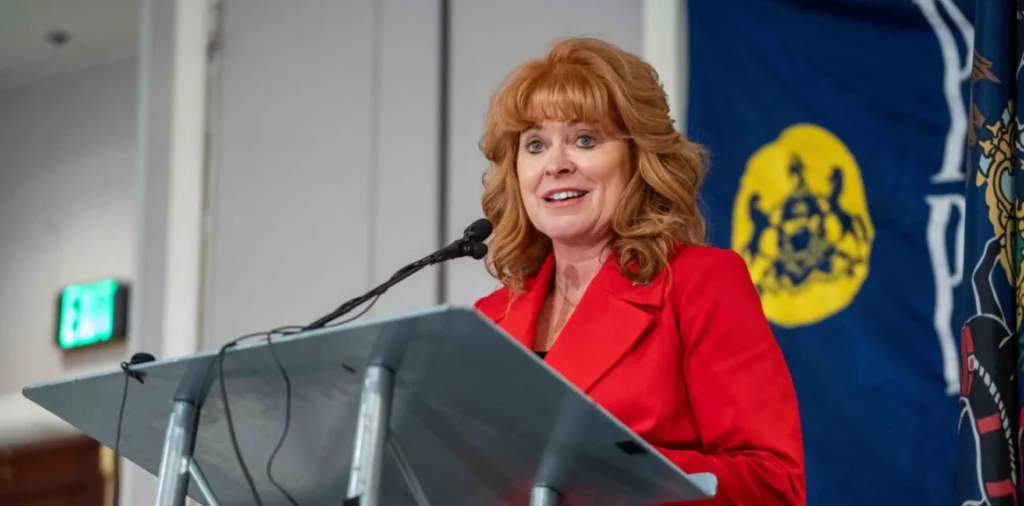
Rep. Jim Struzzi represents the 62nd district in the Pennsylvania House of Representatives and is House Republican Appropriations Committee Chair.