From the Editors: Local communities should partner with ICE
In the recent election campaign, opponents of outgoing Bucks County Sheriff Fred Harran’s now defunct partnership with U.S. Immigration and Customs Enforcement say the agreement breached a floodgate of legally actionable harms: racial profiling, monetary costs, and spiritual disquiet.
Yes, they tried to sue over that last part too.
The lawsuit against Harran, rightly rejected by a county court, argued his ICE policy compelled a church’s employees “to devote substantial time and resources to delivering pastoral and spiritual care to impacted members and constituents.” That imposition will supposedly “take away from BuxMont [Unitarian Universalist Fellowship]’s resources to work on other congregational priorities.”
The nonprofit and resident plaintiffs, represented by the American Civil Liberties Union of Pennsylvania, should’ve coped harder. Churches counsel to the spiritually troubled for many different reasons without dragging anyone into court. The ACLU did foretell more serious consequences to local coordination with ICE, yet these very civil libertarian and fiscal concerns would actually benefit from such cooperation. More localities should pursue it.
Harran lost his election and halted implementation of the ICE agreement, so the petitioners’ plan to appeal their recent loss may no longer matter in Bucks. But soon-to-be sheriff Danny Ceisler should reconsider his hostility to the arrangement. Opponents contend Harran’s decision to participate in ICE’s 287(g) program would lead to deputies ethnically profiling Bucks County residents in an effort to nab illegal immigrants. They do not, however, demonstrate that the vast majority of law enforcement agencies that are scrupulous and law-abiding would become more prone to racially discriminate once they start working with ICE.
In fact, the training provided by the department sounds, in some respects, like a progressive’s dream: It includes instruction on avoiding racial profiling and furthermore teaches “multicultural communication.” The program also sets high standards for officers who enroll; they must undergo background checks, have at least two years of service in their departmental roles, and be free of any unresolved disciplinary actions.
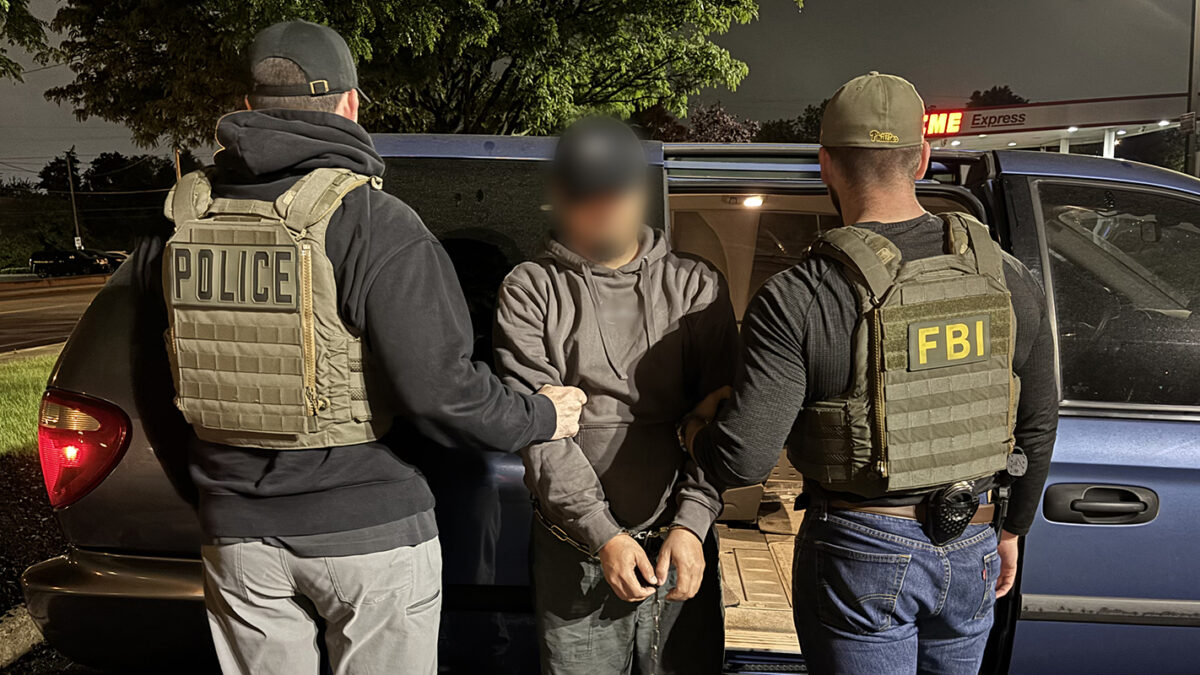
ICE offers three cooperation models for which municipal or county entities can apply: the “jail enforcement” model, which facilitates identifying and processing deportable aliens who have existing criminal charges; the “warrant service officer” model, which lets officers execute administrative warrants on aliens; and the “task force” model, which lets police or sheriff departments exercise limited enforcement authority on those suspected of violating immigration law. Harran availed himself of the last option.
Nothing suggests that any of these partnerships have caused the outcomes immigration activists anticipate, like targeting racial minorities or rounding up legal residents. Jessica Vaughan, who has researched 287(g) for the D.C.-based Center for Immigration Studies (CIS), has found the ICE training actually prevents race-based guesswork by giving local officers useful processes to ascertain suspects’ immigration statuses.
“I’m not aware of any instance of a proven racial profiling or abuse of authority in connection with 287(g),” she told The Independence in August. “There have been accusations of it, but these investigations do not pan out.”
Detractors of 287(g) also posit that immigration enforcement heightens immigrants’ fear of the police, thereby discouraging the immigrants from reporting crimes committed against them. But a 2021 study Vaughan coauthored with CIS colleagues Steven A. Camarota and Karen Zeigler finds that National Crime Victimization Survey data show immigrants are at least as likely to report their victimizations as native-born Americans.
Participation in 287(g) reinforces crimefighting, particularly by ensuring violent suspects with immigration violations — obvious flight risks —get held on those violations with no chance at bail, guaranteeing they’ll face trial. But, the critics say, is any of this worth the cost?
Those critics, including the petitioners in the Bucks County lawsuit, cannot convincingly suggest what that cost may be. (It’s telling that, while the Bucks County Board of Commissioners’ Democratic majority echoes this plaint, those commissioners didn’t initially join the lawsuit, only later filing a cross-claim.) The federal government itself covers the expense of the training and says participating jurisdictions, beginning this month, can receive up to one-quarter of the compensation of ICE-trained personnel. The agency has also announced it will bestow quarterly performance awards of up to $1,000 per ICE-trained officer working for ICE-partnered departments.
Much of the skepticism around 287(g) clearly stems from worry about the current White House’s perceived restrictionist zealotry. Yes, Donald Trump (rightly) loves local ICE partnerships and detests sanctuary jurisdictions. Yes, he (wrongly) often resorts to extralegal means to strengthen immigration enforcement, like diverting military funds to border wall construction in his first term and issuing an executive order to kill birthright citizenship this year.
But Harran and other regional officials, all of whom ought to embrace 287(g), are not Trump. Neither, clearly, is Ceisler. They are subject to the scrutiny of their communities, with sheriffs in Bucks and most other Pennsylvania counties chosen by election. And Democrat or Republican, they ought to use their judgement to make the best choice for the safety of those communities.
Activists concerned about civil liberties should find actual threats to confront. If they’d be so bold, they might even consider backing 287(g) in furtherance of their cause.
Broad + Liberty is a news and editorial outlet dedicated to freedom of thought and giving voice to issues and ideas that have been shut out of our discourse for too long.