Stephen Kent: Pennsylvania should stay the course on sports betting
It’s budget season in Harrisburg, and the latest backroom buzz is that lawmakers are toying with a dramatic tax increase on legal gaming operators. Up for discussion has been a potential push to raise Pennsylvania’s mobile sports betting and online casino gaming, like blackjack and poker game rates, both of which are already among the highest in the country. Politicians often calculate that new taxes on discretionary activities, like gambling, are a safe bet to raise revenue without attracting much negative attention. This is a mistake for both consumer welfare and state coffers.
For any state that has a legal gambling market, the number one concern has to be making it accessible and desirable compared to black market and offshore games. Because Pennsylvania has such a robust brick-and-mortar casino model, the already high 36 percent sports betting tax rate was intended to keep legacy players whole as digital competition emerged.
State senators looking at a new assessment fee on out-of-state operators is a swipe at the major sportsbooks headquartered just on the other side of Pennsylvania’s state line, the same firms that pull in the majority of Harrisburg’s gambling revenue.
New York makes a killing from sports betting taxes, over $1 billion in revenue annually, according to the Tax Foundation, compared to Pennsylvania’s roughly $200 million. Some will say that’s because New York’s tax is significantly higher, while ignoring the higher volume of tourism and population density that drive those numbers.
Pennsylvania’s strength, compared to Rhode Island and New Hampshire, is the lower rate. Any leap above the already steep 36 percent serves to make the state less competitive in the regional gaming market, and consumers let you know by driving two hours to New Jersey, Maryland, or West Virginia, where there are better gamer perks and more favorable conditions.
The digital economy doesn’t deal in state lines, and neither do gamblers. From prediction markets to offshore sportsbooks, the alternatives are just a few clicks away. Any lawmaker concerned with consumer welfare should be trying to build a state-regulated market that is preferable not to New York’s, but to Costa Rica’s.
The majority of overseas books operate in the Caribbean and Latin America and treat U.S. state regulations like a punchline. They accept whatever method of payment a willing gambler has, including cryptocurrency, wire transfers, or credit cards. For recreational and problem gamblers alike, this can be catastrophic.
Good policy deals with reality on the ground, not technical visions about how human behavior should be in a perfect world. Hawaii has no legal gambling market, no casinos or sportsbooks, but tens of thousands are believed to be gambling addicts, with virtually no state resources for compulsive betting.
Pennsylvania handles this far better, maintaining a balanced approach to regulation and intervention. Gaming receipts for the state ticked up in 2024-2025, close to $6.4 billion, according to the Gaming Control Board. That amounts to $2.8 billion in state taxes collected. Overall tax revenue is up 140 percent from 2019, but credit for that can be attributed to the seventeen retail sports betting operations plus eleven digital outlets made available to Pennsylvanians. State casinos appear irked by declining profits for physical locations as consumers trend toward online games.
That fact is likely playing a role in this budget maneuver in the statehouse.
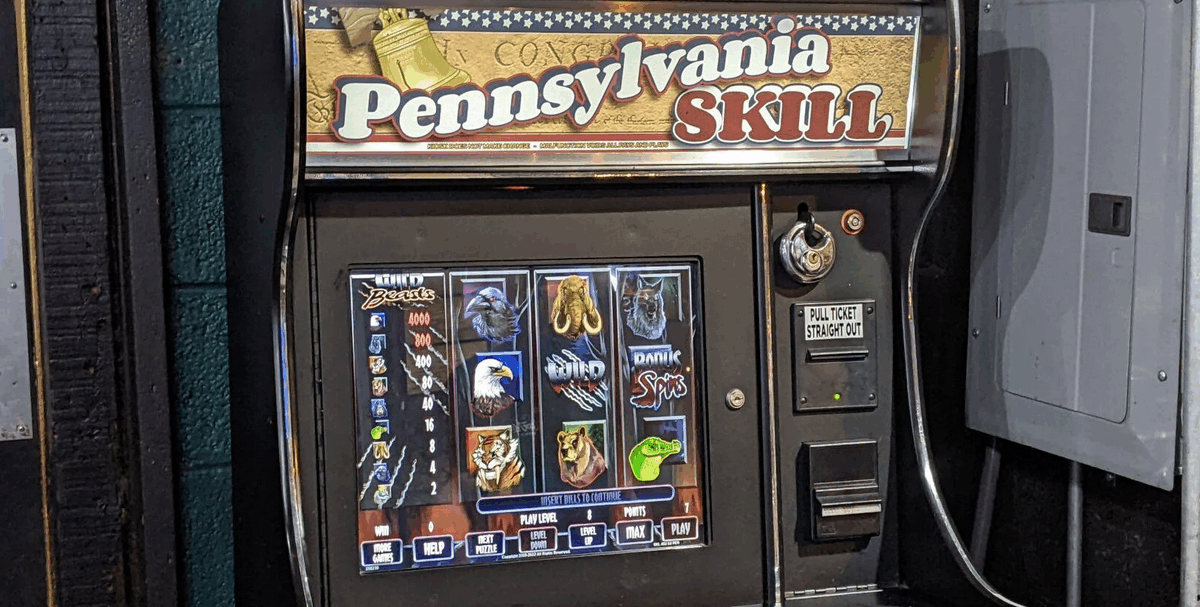
The lowest-hanging fruit for additional revenue and a level playing field is to clear up the ambiguity around unregulated skill games, the slot-style machines at bars, gas stations, and lodges that leave hundreds of millions on the table for Pennsylvania’s budget.
It’s always best to avoid forms of protectionism for any established interest, casinos included, and it’s a bid that consistently fails to deliver on revenue goals and consumer protection. Lawmakers shouldn’t fall for it.
Stephen Kent is media director for the Consumer Choice Center