Life lessons at a Philly rec center
Readers Digest used to run a feature, “The Most Unforgettable Character I Met.” It recounted the story of some individual who made a major transformational impact on the writer.
I had four such figures in my life: my wife of over 50 years, the uncle who raised me, the professor in college who saw something in me that was well hidden to others, and a black woman who was my boss in 1956, Ms. Othella Vaughn.
I worked my way through college as an Assistant Recreation leader in various Philadelphia playgrounds. It was a good job and the pay was nice: $45 a week, no mean sum in those sunny days of the Eisenhower Presidency. (I checked the inflation figure: today it would be around $540)
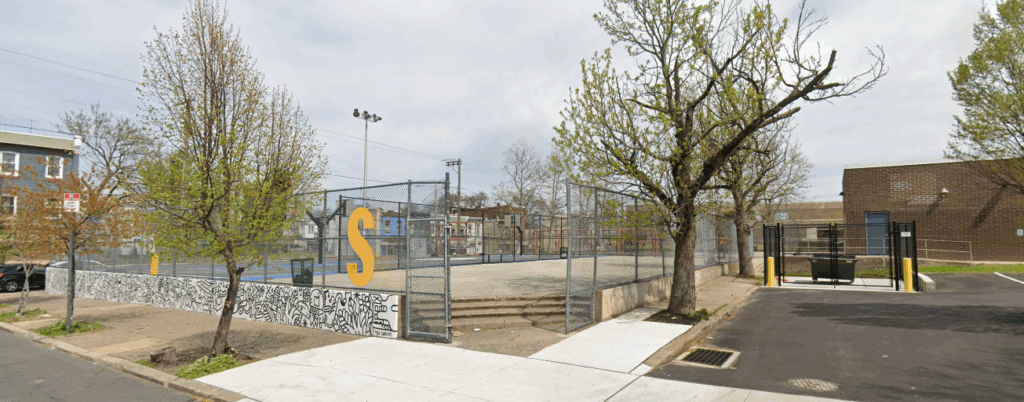
Most of my assignments were in Port Richmond or Kensington, but in May 1956 I got a letter to report to 8th and Cumberland Aves. The playground’s name was Veterans Memorial Playground and it was brand new, one of those places built by the reform Clark-Dilworth administration to give kids a place to play and keep them off the streets.
The day I arrived I was greeted by the groundskeeper, a black man named Al Mims. A former boxer, he gave me a tour of the new facility with its fences freshly covered in aluminum paint. Veterans Memorial Playground, called the Vet before the better-known one of lamentable baseball memory, covered most of a city block, and was small by comparison to the traditional city playgrounds. Its layout was typical: a small administrative building that held the bats and balls that kids could borrow, plus a small office for the director. Bathrooms were on either side along with two water fountains.
Unlike my other work sites, “the Vet” was small. There were no grass fields. It was covered in concrete with a small softball field and two full basketball courts. There was a play area for little kids, swings and a sand box area with monkey bars.
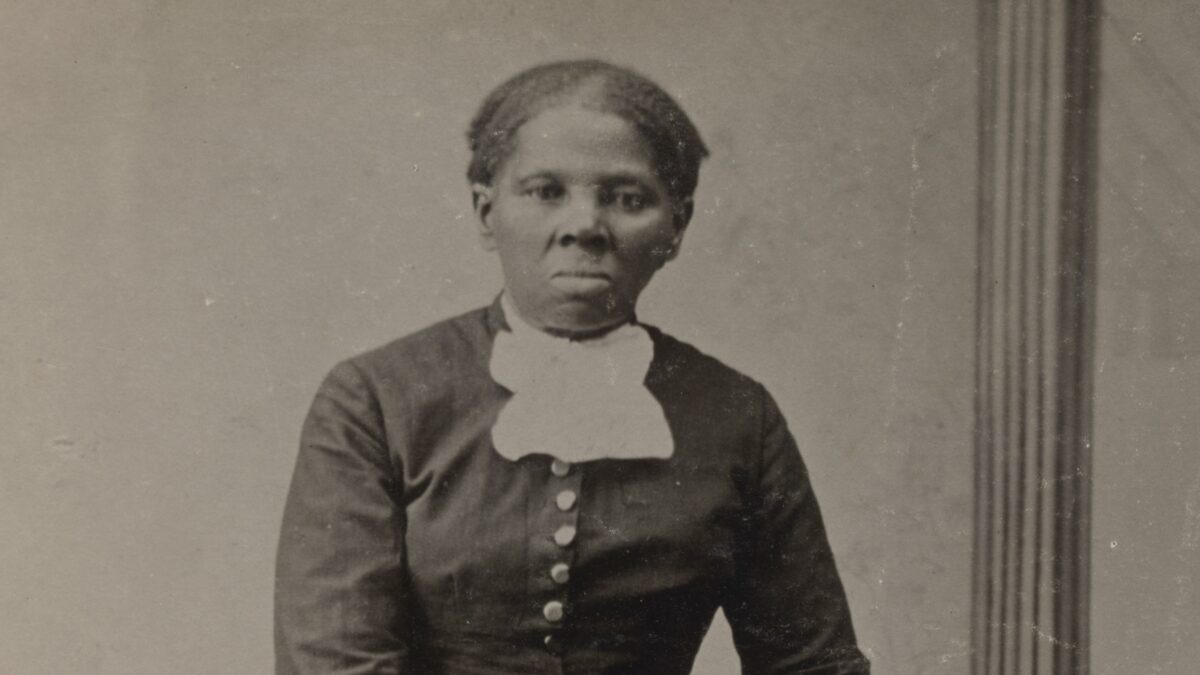
While he was giving me the tour, our boss arrived. Ms. Othella Vaughn was a short black woman of about 35 years, a professional worker for the Department of Recreation.
Miss Vaughn introduced me to a part of life I was completely ignorant of: the humanity of black people.
I did not come from a prejudiced background. My family was what used to be called “lace curtain Irish,” with the stress put on good manners and good behavior. We had no contact with black people who were called “colored”’ in our house. There were no black children in my grammar school or high school class and only a handful during my freshman year of college. So having a black boss was something new for me. Ms. Vaughn was the first black I person I got to know and from her received my first lesson in racial relationships.
Ms. Vaughn was in charge, something she established right away. The Vet was on the racial dividing line in those days. To the West, the area was black; to the East, white — and there was no mixing. The neighborhood was changing and the Vet could have turned into a battleground except for her talent and foresight. The first problem she had to deal with was gangs. Shortly after the Vet opened a black gang arrived mostly to play basketball but also to stake the claim that this was their turf. There was a smaller white gang who usually gathered in the playground by early afternoon, also to play basketball.
We never had a racial incident during my time at the Vet because Ms. Vaughn took charge right away. She called together the leaders of the white and black groups and laid down the law: any trouble, any racial fights and she would see that both groups were banned from the playground. Both agreed: no hogging the basketball courts. Maybe it was the calmer spirit of the 1950s, but strangely enough they stuck to their promise to her.
From the beginning, I liked her. She was very professional and outlined my duties and backed me when problems arose. When the local Democratic committeeman tried to throw his weight around, ordering me to give a special place to basketball club that he backed, she ordered him out of the facility — a dangerous move in those days when politicians regarded playgrounds as part of their turf.
The sharpest memory that I still take away from that summer took place on the dedication of the playground sometime late in May. The Department of Recreation leaders were invited; the Inquirer sent a photographer as did the local paper and the district’s councilman; a short red-faced Irish pol agreed to make a speech and present the keys of the facility. All went well until he was introduced to her. He turned aside to the Recreation representative and said, “I can’t have my picture taken giving the keys to a nigger. I’d never get elected again.”
He said this loud enough for everyone including Ms. Vaughn to hear, although she pretended she hadn’t. What was worse came next. He looked around and saw me proudly sporting my new regulation blue Department of Recreation shirt and said: “I’ll give it to the kid.” Somehow, I still can’t figure out how, I said “No way.” I hope I would have stuck to my guns.
Thank God, that never happened. The program went off but there were no photographs of him turning over the key. Instead, he just handed it to Ms. Vaughan after a few remarks which she accepted gracefully.
Later, I mentioned how embarrassed I had been. I never forgot her response: “You just got an introduction to racism. Don’t forget it.” I hope I never have.
John P. Rossi is a retired Professor of History at La Salle University.