 Photo by Emily Damiano, Commonwealth Media Services
Mass transit funding bill awaits Senate return as deadline looms
(The Center Square) – Following a Sunday night session and heated floor debate, the House passed a Hail Mary transit funding bill 108-95 Monday morning.
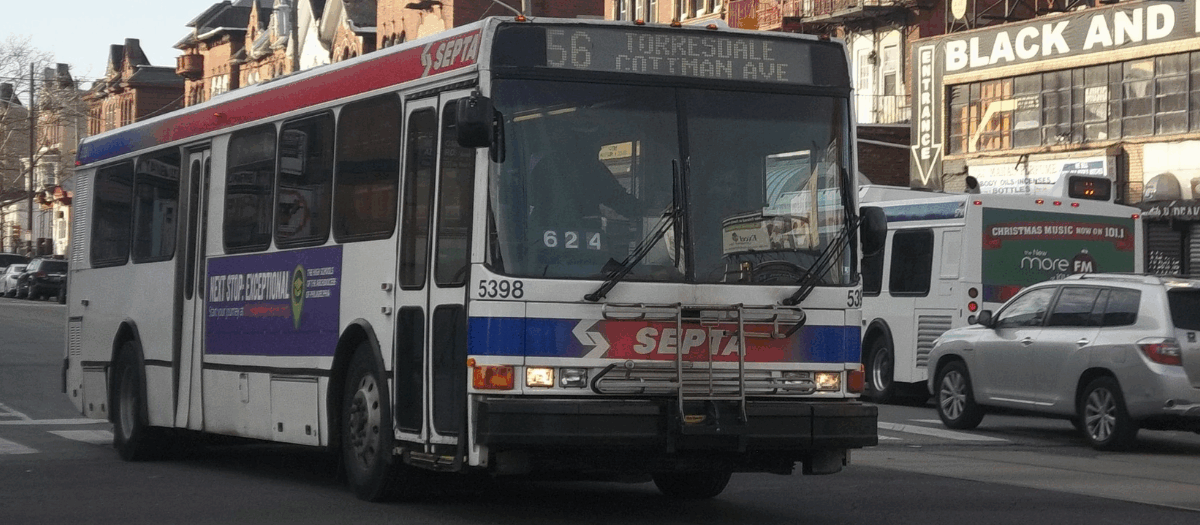
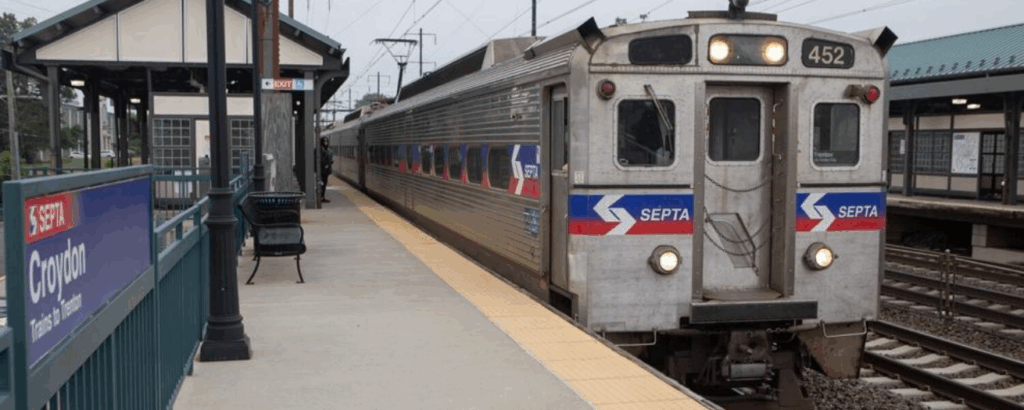
Legislators are currently facing an Aug. 14 deadline to establish funding before SEPTA is forced to make drastic service cuts. The matter now lies along with the long overdue state budget in the hands of the Senate.
“Northeast Philadelphia runs on SEPTA, and many communities all across the Commonwealth heavily rely on public transit,” said the bill’s sponsor Rep. Sean Dougherty, D-Philadelphia. “If they become reality, these service cuts will hurt real people, destroy jobs and hurt businesses of every size, not just in my district, but in communities across all 67 counties.”
He and other Democrats expressed frustration about the Senate’s absence in the Capitol. The upper chamber has met 32 days in 2025 to the House’s 56. The Senate is scheduled to meet tomorrow, a ray of hope for transit advocates.
Though a handful of House Republicans, predominantly from districts in the Philadelphia area, supported the bill, several spoke against it.
“There is no debate that mass transit is essential,” said Rep. Valerie Gaydos, R-Moon Township, who said the bill was a “charade” because of its separation from the wider budget discussion and “rips off Pittsburgh” in terms of its regional transit funding.
Gaydos said though the Philadelphia region is only six times the size of Pittsburgh, it receives 12 times the funding.
Minority Leader Rep. Jesse Topper, R-Bedford, seconded Gaydos’s criticism, saying this bill would push the two parties further from coming to a comprehensive budget deal.
“The current system is not sustainable,” said Topper who argued for reform and listed a host of other budget priorities Republicans worry will be short-changed in favor of mass transit.
Rep. Brad Roae, R-Meadville, suggested that raising fares one dollar across the board would be a more effective way to close the budget gap, highlighting the expense incurred by motorists who choose to – or must – drive.
“It’s a bargain,” said Roae of public transit.
Representatives in Philadelphia say, however, that constituents living on low or fixed incomes, especially the disabled and elderly, can’t necessarily afford an additional two dollars per round trip each day.
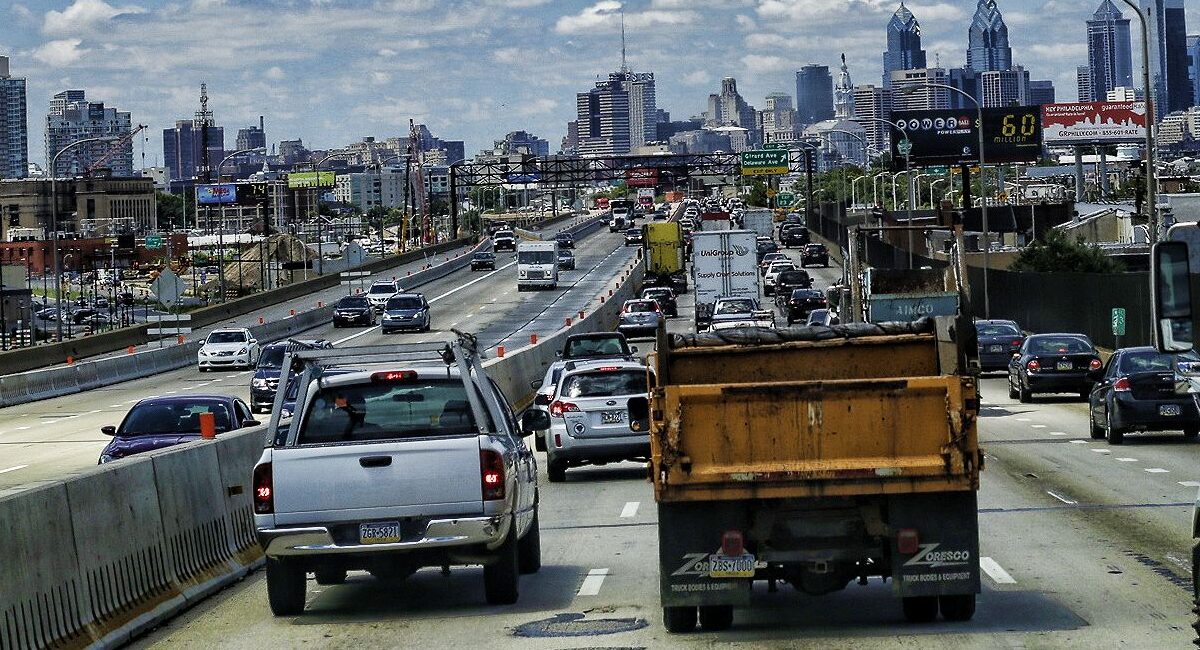
Meanwhile, with proposed cuts, reduced routes will impact students heading to school later this month and likely impact businesses and essential services as employees struggle to get to work. They say the city’s infrastructure itself wouldn’t be able to accommodate drivers in lieu of public transit, with limited parking and intense traffic.
“Frustrated,” Transportation Committee Chair Rep. Ed Neilson, cited Philadelphia’s economic contribution to the commonwealth which supports many programs in the state’s less affluent rural regions, saying, “All we’re asking for is some fairness in the system.”
“You can’t bail us out,” said Neilson, addressing rural representatives. “You don’t have the resources.”
House Bill 1788 is the fifth transit bill passed by the House in the last two sessions, but none have been taken up by the Senate. Their majority has advocated for performance criteria for the struggling SEPTA system as well as funding for rural roads and bridges, both of which the Democrats have incorporated into the latest bill.
“We have bent over backward trying to compromise,” said House Majority Leader Rep. Matt Bradford, D-Norristown.
Christina Lengyel is a Pennsylvania reporter for The Center Square. She is based in Harrisburg.
This article was republished with permission from The Center Square.