
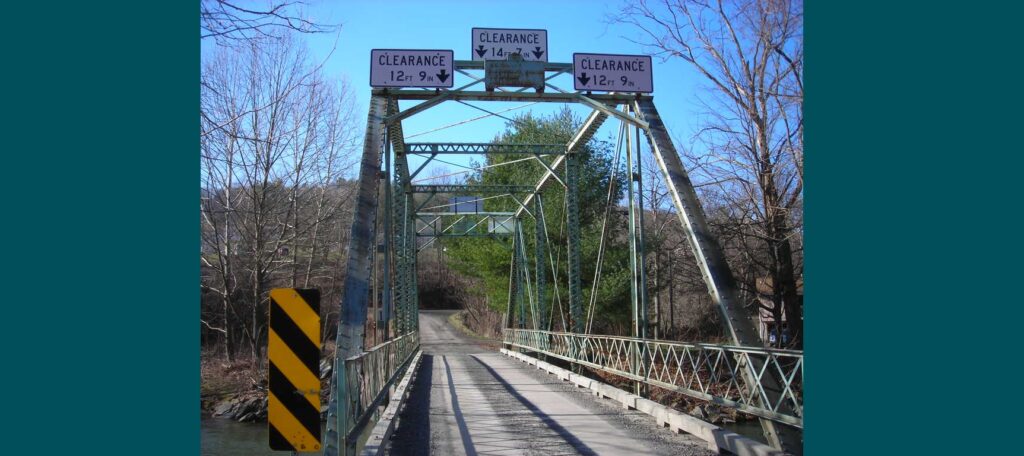
 Photo by Doug Kerr via Flickr
David Sanko: Local roads and bridges left out of Shapiro’s massive mass transit funding bill
In Pennsylvania, nearly every journey begins and ends on a local road, yet you wouldn’t know it from Gov. Josh Shapiro’s transportation bill, which passed the House. Despite its sweeping scope, the legislation makes no mention of local roads or bridges, an omission that cannot be ignored.
A recent report by the National Transportation Research Nonprofit (TRIP) offers a timely, nonpartisan reminder: Our local infrastructure is in urgent need of attention and investment.
The Pennsylvania Township Supervisors Association (PSATS) and other local government groups have been sounding this alarm for decades. The numbers speak for themselves: Of the Commonwealth’s 120,000 miles of public roads, local municipalities maintain more than 77,000, most of them by townships. These roads are the lifelines of our communities, supporting emergency services, connecting families, and powering key sectors like agriculture, manufacturing, energy, and tourism.
Yet, despite their critical role, local roads have seen a steady decline in their share of state and federal funding. Townships have done more with less, stretching every taxpayer dollar with ingenuity and grit. Our supervisors, roadmasters, and public works crews work tirelessly, often without recognition, to keep these roads safe and reliable. But even the most resourceful local governments can’t outpace inflation, rising construction costs, and declining gas tax revenues.
HB 1364 also proposes the creation of a new transportation commission, despite the fact that Gov. Tom Wolf’s Transportation Revenue Options Commission (TROC), on which I served, issued its report less than five years ago. That commission identified the very challenges we still face today: declining gas tax revenues due to more fuel-efficient and electric vehicles and rising costs for materials, labor, and permitting. TRIP’s latest report confirms that even with the influx of federal dollars from the 2021 Bipartisan Infrastructure Law, inflation has eroded much of that impact. In fact, transportation project costs have risen by 54 percent since then.
Today, more Pennsylvanians work remotely or closer to home, and public transit ridership continues to decline, but the governor’s bill prioritizes boosting mass transit funding by permanently diverting Sales and Use Tax revenue from the General Fund. This raises key concerns: Which essential services, such as Medicaid, childcare assistance, or state park operations, might face cuts as a result?
The bill authorizes a one-time borrowing of $500 million for state road and bridge projects to be repaid from existing sales tax revenues. But again, not a single dollar is earmarked for local roads or bridges.
Borrowing for roads might sound like progress, but it’s a costly detour for taxpayers. For every dollar the state borrows through bonds, nearly two dollars must be repaid, meaning we’re effectively spending one dollar on roads and another dollar just to cover interest. Wouldn’t it make more sense to invest the full two dollars directly into roads and bridges, rather than sending half of it to the credit card company?
This isn’t just theory, it’s history. In the 1970s, Gov. Milton Shapp (ironically, the last governor from Montgomery County) launched a massive borrowing plan to build roads. Those roads have since been rebuilt, some more than once, yet Pennsylvania only recently finished paying off that debt under Gov. Wolf. The legacy of that decision? Every time Pennsylvanians fill up at the pump, they’re still paying for a decades-old financial mistake. It’s a cautionary tale: Short-term fixes can lead to long-term costs.
One promising proposal would demonstrate the commitment of the General Assembly and the Shapiro Administration to address these local infrastructure challenges. It involves modernizing the state’s Prevailing Wage Law, which has remained largely unchanged since the early 1960s. This initiative could significantly support local governments in advancing road and bridge projects, all without adding extra costs to the state budget. Getting more work done with the same amount of available dollars eases the pressure to raise taxes, but Harrisburg must act.
PSATS stresses that local governments should be included in any transportation funding strategy. Ensuring stable, predictable funding for all parts of the transportation network is essential to maintaining access to education, health care, employment, recreation, and economic opportunity for all Pennsylvanians.
David M. Sanko is the executive director of the Pennsylvania State Association of Township Supervisors.
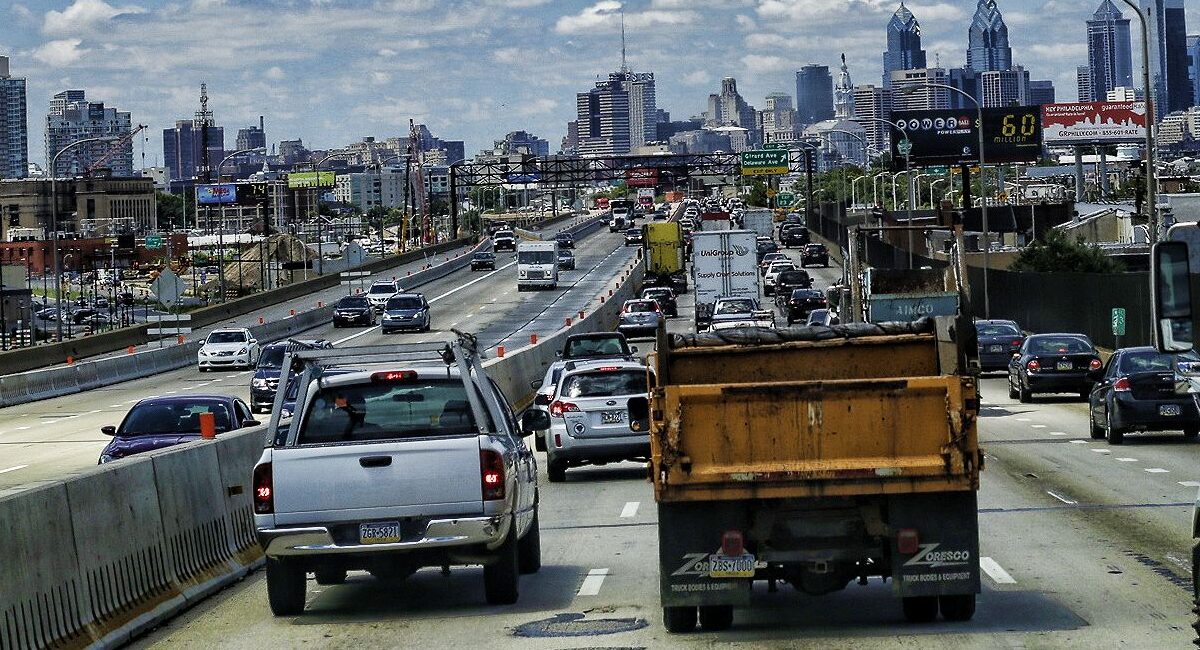
The roads in Delco are terrible. Traffic is oppressive.
1-Everyone notices: When a road is freshly paved, three months later a utility company will dig a pipe-trench down the driving lane. Then they’ll leave a half-assed covering of soft asphalt – or worse, metal plates.
Do these idiots ever talk to one another?
2-Philadelphians are streaming into Delco to shop. Making Philadelphia sane again will alleviate lots of Delco’s traffic.
Or, more plausibly, build a Big Beautiful Wall to keep out Philadelphians.
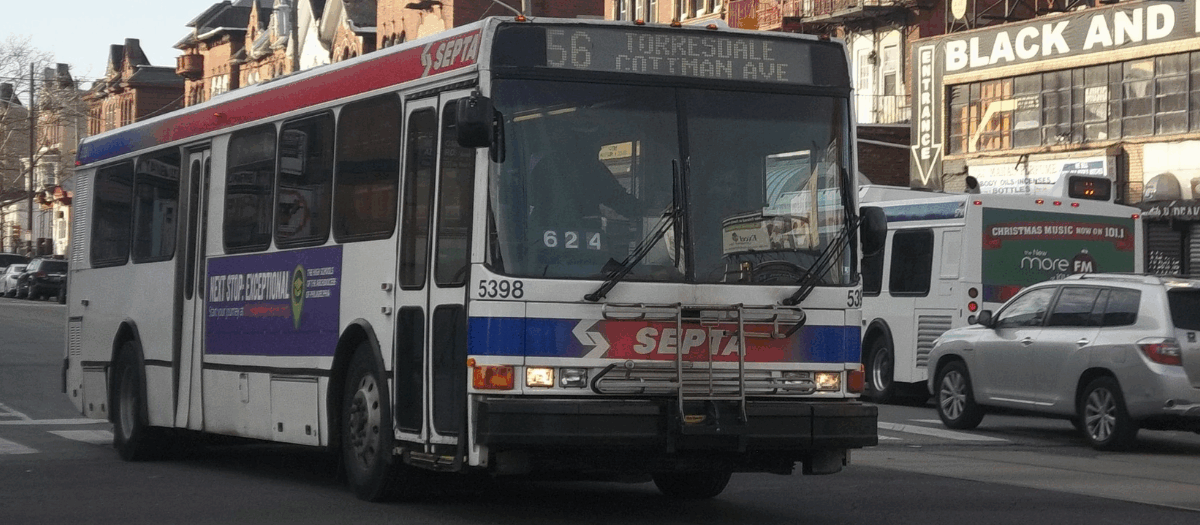
3-Delco residents are NOT clamoring for more SEPTA funding.
Comcast wants taxpayer-funded transportation for its H-1B serfs.
4-Shapiro ought to sit in a booster seat in his Rivian so he can see this for himself.
Pennsylvania has either the highest (depending on the source) gasoline and diesel fuel taxes in the country.
Residents should ask how their state House Reps voted and contact them about this bill and why are roads continue in disrepair. Mass transit, like Septa should not be bailed out from their continued mismanagement. Seems the sate is always providing more $$ to Philly and Pittsburg.
I’m not sure if every civilization follows the same arc. But whenever one is in its “decline”, the evidence of it is usually obvious in the literal decline and decay of its infrastructure; roads, bridges, buildings, etc. Look at our cities and state, let alone our country, and you see this declining infrastructure everywhere. Reflective I think of misplaced priorities, and of our declining civilization as well.
Simple, local roads and bridges don’t vote or provide campaign contributions. Just a note: PA has a long-standing aversion to maintenance and so our infrastructure dies quickly. At one point it seems to be a driving philosophy that quickly dying infrastructure meant more employment for union members. Quick to build, quick to die, we got money piled to the sky.
1-there are alot of electric cars on the road they need to pay a tax for road maintenance and construction too.
2- Stop making car drivers pay for bus rides.
3- We have prevailing wage laws to protect local trades men from competition with workers brought in from low wage areas. The wages paid to local workers are spent local and wages paid to workers from out of the area are spent back in their home state.