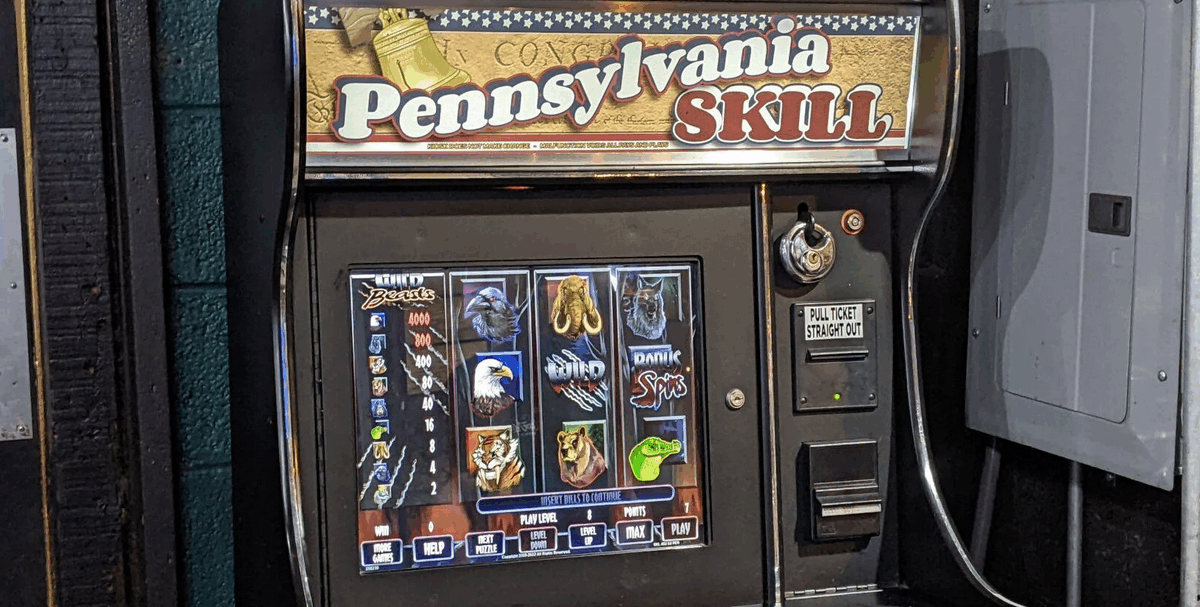
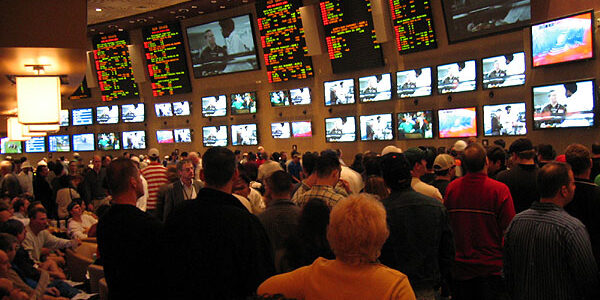
 Photo by wewon31 via Flickr
Kimberlee Josephson: Tax hikes on sports betting are a losing hand for PA lawmakers
It is no secret that the government has a spending problem, and public officials are gambling with our future. The federal debt is staggering and many states, including Pennsylvania, need to come to terms with their own budgetary troubles. The mismanagement of taxpayer funds, however, shouldn’t result in greater costs for personal pastime pleasures. Nevertheless, discussions about raising tax rates on sports betting are gaining traction as a viable option.
When state officials are unable to come up with novel solutions, or enact strategic spending cuts, tax revenue increases become par for the course. Tax hikes, though, can be off-putting for voters and this is where “sin taxes” come into play. Sin taxes are taxes applied to products or services that the state deems to be unsavory, and backlash from voters seems unlikely.
Alcohol, tobacco, and gambling are common targets for sin taxes and state legislators have an interesting history for getting Pennsylvanians to pay up. For instance, those who purchase alcohol in Pennsylvania may find it surprising that the state tax applied was instituted in 1936 as a temporary means for financing the rebuilding of Johnstown after a flood decimated the city. Fast forward to present day, and citizens are not only still being charged but being charged more.
State officials have also experimented with siphoning money away from other beverage sectors. Philadelphia instituted a sugar tax on sodas and fruit juices but instead of raising significant revenue for the city, it lowered in-city sales to the dismay of grocers and retail shop owners. Philadelphians will drive to retail outlets outside of city limits to get their soda and juice, just as they will drive to Delaware to purchase tax-free alcohol. Those who can afford the time and travel to opt for lower priced products will do so, and those who can’t don’t. And therein lies the rub. Sin taxes tend to hurt the poorest the most. The mother who wants to throw her daughter a bridal shower brunch with mimosas or the father who wants to stock the fridge with sodas for his kid’s birthday party, are the real losers in this government game.
Sin taxes impact social celebrations and individual enjoyment while doing little to curb the activity of addicts. And this is particularly true for gambling given that “problem gamblers” will always find work-arounds. Fortunately, according to the National Council on Problem Gambling only one percent of Americans have a severe gambling problem. Unfortunately, taxes apply to all.
Now this isn’t to say that sports betting doesn’t have any ramifications, but we also shouldn’t dismiss the value individuals derive from partaking in this activity or the positive spillover effects. Most Americans are well aware that the chances of winning are slim, but they enjoy the ride anyway. And Pennsylvanians are no exception – which, oddly enough, can be a good thing when it comes to gambling. Last year the Pennsylvania Lottery sold “a total of $4.31 billion in traditional games, from which it generated a profit of more than $1.05 billion to benefit older Pennsylvanians.”
Gambling is a form of enjoyment. Yes, it is a sunk cost if you don’t win but so is an expensive meal that you order and end up not liking. In fact, one could argue that going to a sporting event in and of itself is a gamble. Often, you pay a parking fee, a hefty ticket price, double or triple the price for sub-par concession food, and there is no guarantee that your team will win or that the people you are seated next to won’t ruin the experience. A safer bet might be to get the thrill of the game by placing wagers with friends and enjoying festivities with them at home.
March Madness parties, boozy brunches, and sugar-induced birthday bashes are all good fun. And those who overindulge will pay for it – monetarily or by means of headaches and belly aches. No nanny state policies or tax penalties needed.
If taxes on sports betting go up, so too will online-offshore and under-the-table activity. Pennsylvania sports betting businesses will undoubtedly lose out on a highly popular pastime and the state will lose out the tax revenue it currently receives. Overall, taxes are a poor means for “sin” deterrence, but a surefire way to suck the fun out of life’s little indulgences. Pennsylvania lawmakers should carefully consider the stakes if they impose tax hikes on sports bets and Commonwealth constituents shouldn’t let the government gamble with more of their tax dollars.
Dr. Kimberlee Josephson is an associate professor of business at Lebanon Valley College and serves as an adjunct research fellow with the Consumer Choice Center. Follow her on X @dr_josephson