
Wissahickon School District rankings fall as achievement gaps deepen
Wissahickon School District boasts of its high rankings in U.S. News and World Reports, but it fails to mention the high school rating dropped from 11th in state in 2019 to 21st in 2025. In national rankings, Wissahickon High School descended from 502 in 2019 to 701 in 2025.
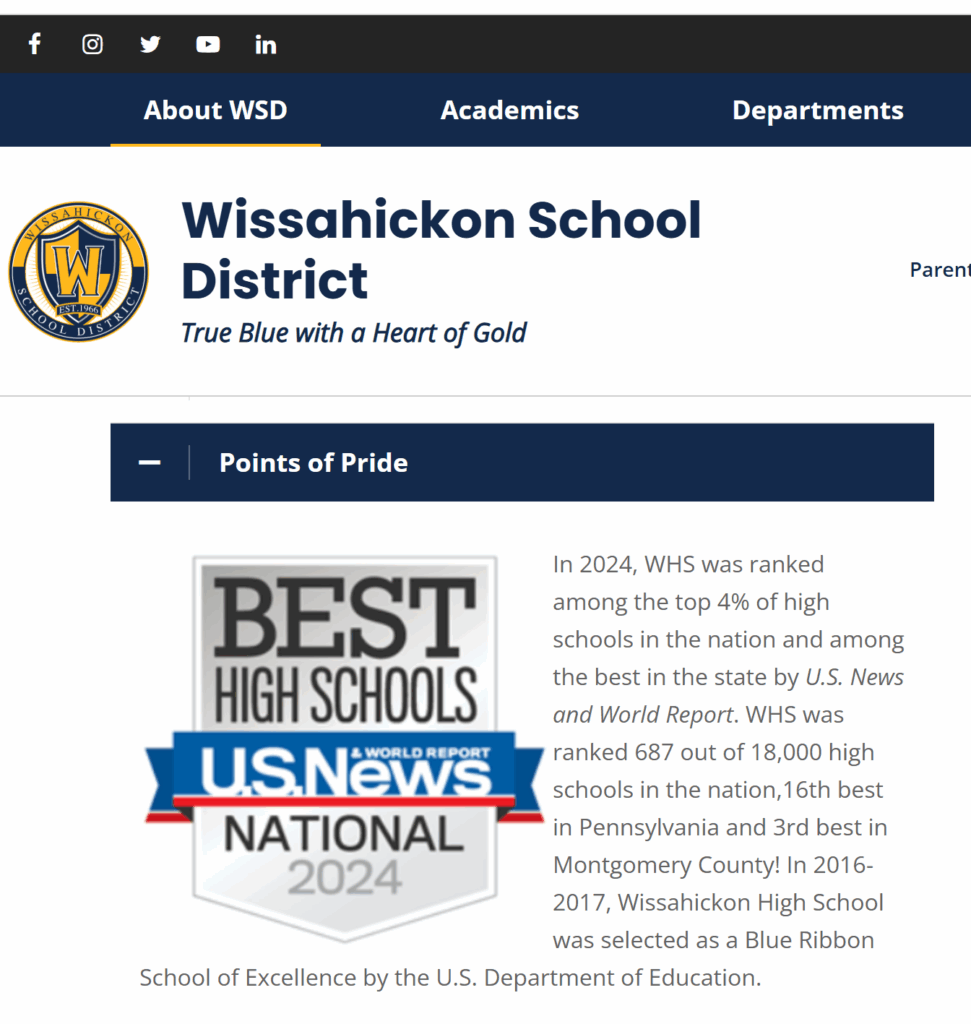
Data from state test scores show the district has been in decline over the past ten years, and outcomes for African-American and Hispanic students are disproportionately lower than for white and Asian students.
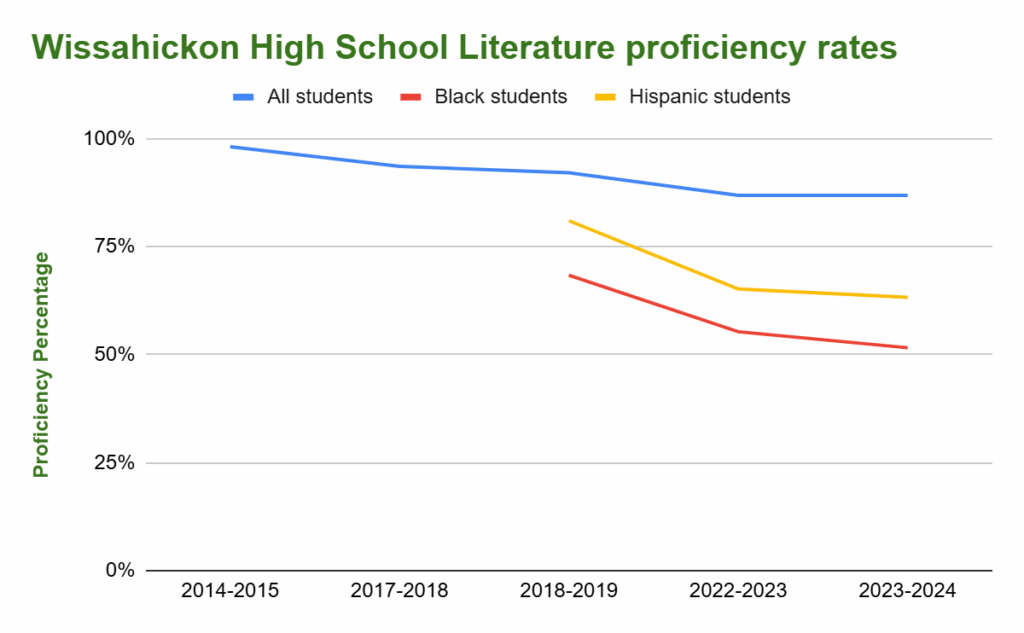
In 2015, over 98 percent of all Wissahickon High School students were proficient or advanced in Literature, yet that number dropped to 86.9 percent in 2024. Rates for black and Hispanic students dropped significantly from 2019 to 2024 with proficiency rates at only 51.6 percent for black students and 63.3 percent for Hispanic students.
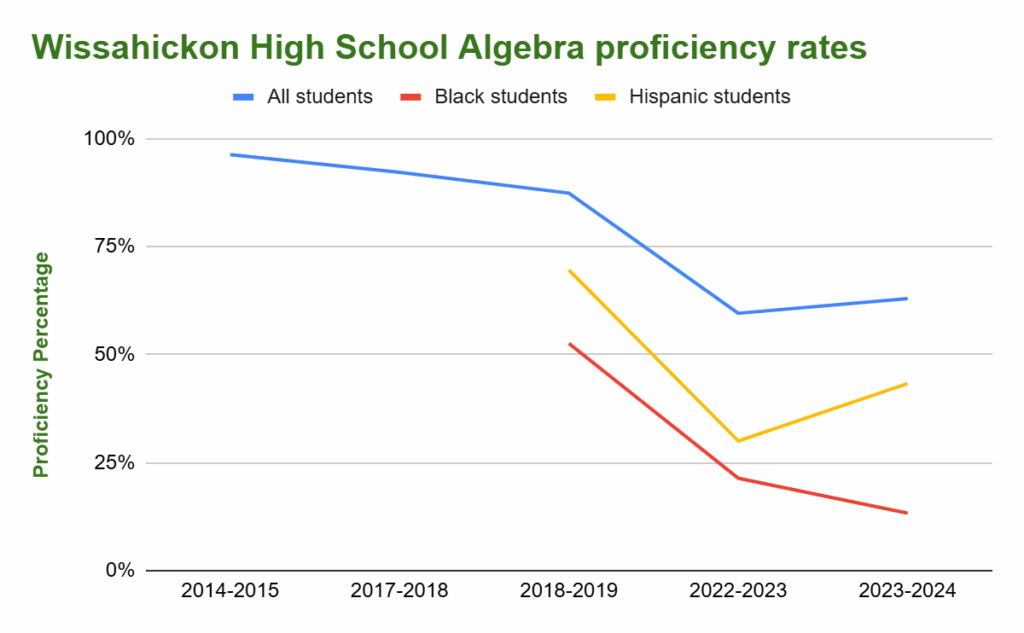
In 2015, over 96 percent of all Wissahickon High School students were proficient or advanced in Algebra, and that number plummeted to 59 percent in 2023 with a slight rebound to 63 percent in 2024. However, the results for black students are significantly lower with just over 50 percent scoring proficient in 2019, plunging to 13 percent in 2024. Hispanic student scores also dropped from 69.6 percent in 2019 to 30 percent in 2023, and then increased to 43 percent in 2024.
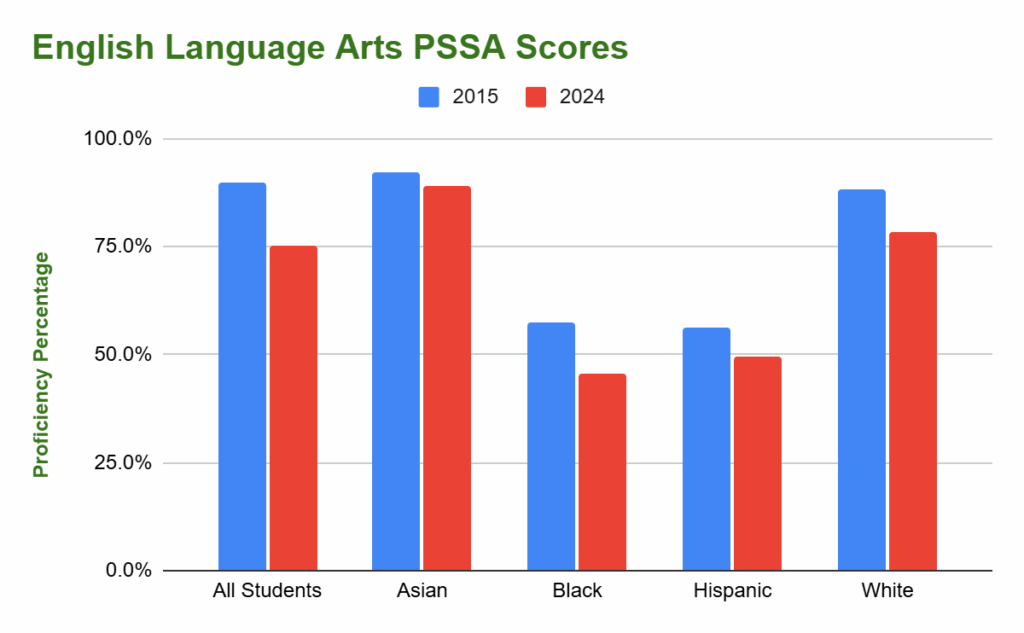
Students in grades three through eight take the Pennsylvania System of School Assessment (PSSA) every year to measure proficiency in English Language Arts and math. Since 2015, scores have dropped for all students in every category, including white and Asian students.
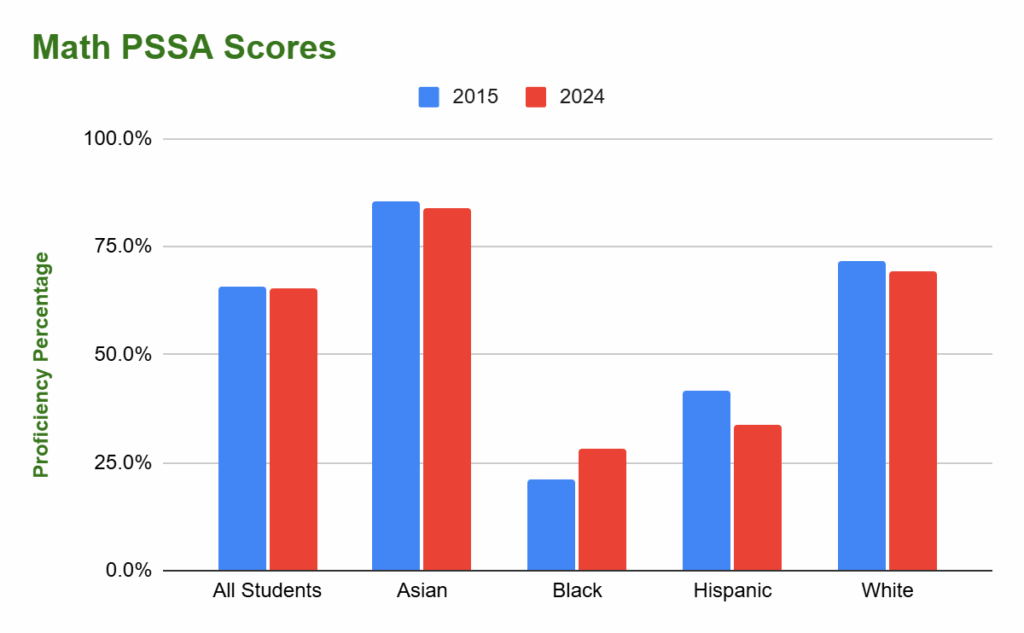
Overall, elementary and middle school math scores have remained flat for all students; however, Asian, Hispanic, and white student scores dropped, while black students showed modest improvement.
These numbers come as no surprise to a member of the Wissahickon School District community. Carmina Taylor, a long time resident of Penllyn in Lower Gwynedd township, is a graduate of Wissahickon High School and was recently inducted into the district’s alumni hall of fame. Three generations of the family graduated from the high school including her mom and son.
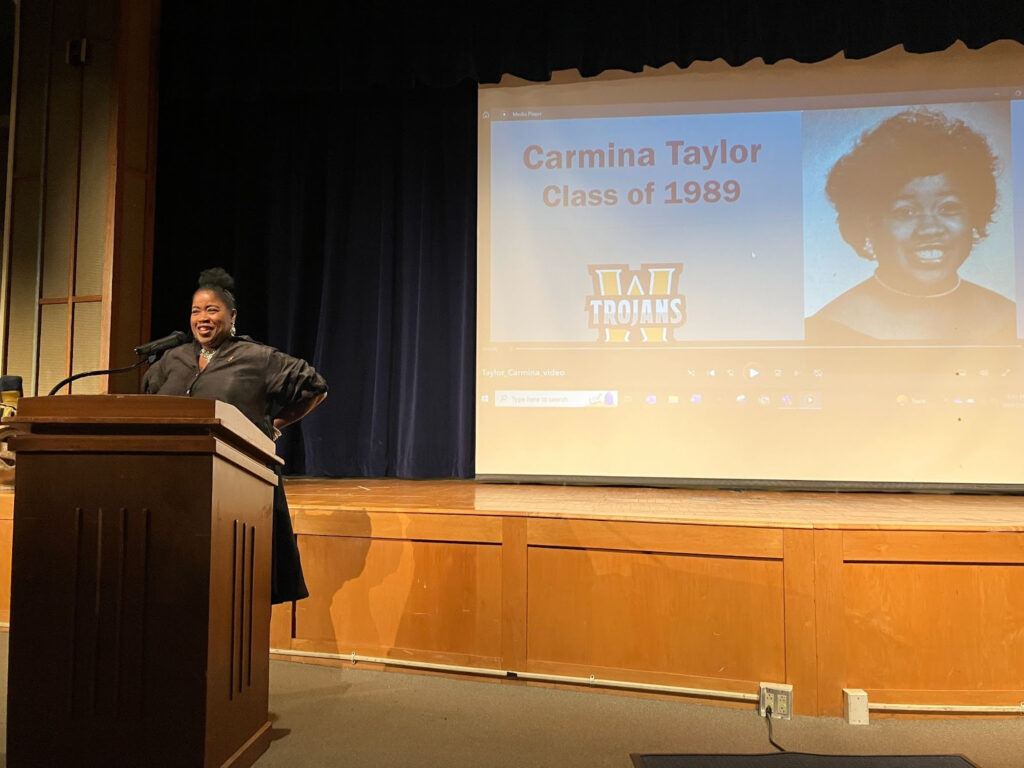
In an interview with Broad + Liberty, Taylor said the district’s goal to improve academic outcomes for black students has failed miserably. She noted the results are worse now than when the district initiated a plan in 2016 to address the disproportionate achievement gap for black children.
Taylor’s observations were confirmed by Public Citizens for Children and Youth, an advocacy group that released a report based on 2019 data showing a 33 percent achievement gap in English Language Arts for black versus white students and a 46 percent gap in math. Wissahickon High School had the highest gap of any high school in Montgomery County.
Taylor primarily blames the all-Democratic school board for failing to hold accountable the prior and current superintendent to focus on academic outcomes for not only black students, but all students. She believes now that there is a decline for white and Asian students, more people are starting to pay attention. However, the community just elected another all Democratic board, continuing the eight-year trend for at least another two years.
“The current school board President, Amy Ginsberg, who has spent eight of the last ten years on the district’s Achievement Gap Attack Plan, has not given a public statement as to why the levels keep decreasing,” said Taylor. “It’s actually been an ongoing systemic failure of leadership and oversight by the board for decades; however, this time, Asian and white students are impacted.”
The ten-year plan referenced by Taylor was created in 2016, allegedly aimed to close the achievement gap between “students from certain demographic groups.” However, there are no specific goals or objectives about how this will be accomplished or measured, only what appear to be vague statements. “Research shows us there is no one, single, overnight, meta-solution.”
Nine years since the plan’s inception, academic outcomes for all students, but particularly black and Hispanic students, have fallen significantly.
“In terms of the elementary reading proficiency levels, every ethnic student demographic has declined over the last six years, from the most affluent community to the most economically disadvantaged community,” noted Taylor.
While student outcomes continue to fall, the district’s Diversity, Equity, and Inclusion (DEI) program appears to be fully intact. On the Wissahickon website, the DEI page says, “achieving equity and inclusion in WSD means we support family and community-wide conversations regarding anti-racism, anti-bias, and social justice.”
There is little to no mention of improvement in academic outcomes for minority students. On its district-wide DEI programs page, there is a button for the Achievement Gap Attack Plan, but clicking the link ends with a 404 error — meaning the page was not found.
The focus areas of priority do not specifically include improved academic outcomes for minority students, but instead center on “belongingness,” “teacher/staff diversity,” “responses to racial disparities in discipline,” “equitable representation in advanced placement courses,” and “equitable representation in the gifted program.”
Professional development “offers layered activities to support and foster equity and inclusion among staff, students, and administration. The districtwide learning opportunities, along with the administrative team’s train-the-trainer sessions, work in alignment to create equitable environments and outcomes that support all students’ social, emotional, mental, behavioral, and academic wellness.”
Despite the myriad of DEI activities, not only minority students — but all students — are achieving at much lower levels than ten years ago.
Wissahickon School District did not return a request for comment regarding the achievement gap.
Meanwhile Taylor continues to advocate for black students and supported Republican school board candidates in the last election in hopes of holding the district accountable for academic outcomes.
“It has become evident that the current board has ignored all of the results that have been presented over the last eight years,” said Taylor. “They did not hold the former superintendent accountable to his original plan. I think the Republican community equates the falling Niche rating and property value as factors. Quite honestly, I don’t think anyone in the school community that is not working for the district knows the statistics like me.”
Beth Ann Rosica resides in West Chester, has a Ph.D. in Education, and has dedicated her career to advocating on behalf of at-risk children and families. She covers education issues for Broad + Liberty. Contact her at barosica@broadandliberty.com.


The Wissahickon School District encompasses Ambler Borough, Lower Gwynedd Township, and Whitpain Township in Montgomery County, PA. Zoning is managed at the municipal level, but there have been significant updates, with a focus on promoting multi-family housing, mixed-use developments, and attainable/workforce housing. If any school district’s municipalities actively try to attract lower-income single parent households (basically every single school district in the Philadelphia collar counties has municipalities actively doing this), then that school district is going to have more students that struggle. These changes accelerated in the 2020s, influenced by comprehensive plan updates, and both federal and state planning guidelines, and it is driven by Democrats. Most people are completely asleep about these changes and presume their Democrat leaders are focused on the good of their town. They are mistaken and don’t realize how driven by ideology many of these local leaders are in reality.