 Photo by the White House
Ada Nestor: Trump’s tribute tour
After months of tariff threats, strategic bluffs, and nonstop negotiations, the bill has come due. Trump isn’t circling the globe to make friends. He’s cashing in. This trip is the moment when the United States stops pretending the “free market” was ever free.
For decades, Americans were told globalization was an even playing field that lifted everyone. It didn’t. While Washington sold that story, other nations quietly protected their own industries and tariffed ours into the ground. They subsidized exports, flooded our markets, and called it “cooperation.” It was never free trade. It was a rigged system that hollowed out our economy while others prospered.
Trump’s trip is the reset. The reckoning. The moment access to the U.S. market finally carries a price that reflects its value.
Southeast Asia: The Opening Move
The tour began in Southeast Asia, the factory floor of the modern world. Officially, it was about partnership and cooperation. In reality, it was about alignment.
In Malaysia, Thailand, and Cambodia, Trump presided over new agreements linking minerals, manufacturing, and semiconductors directly to U.S. demand. Thailand and Cambodia signed a ceasefire in his presence, turning years of border tension into stability under American watch. Malaysia secured new export agreements in critical minerals and chip manufacturing.
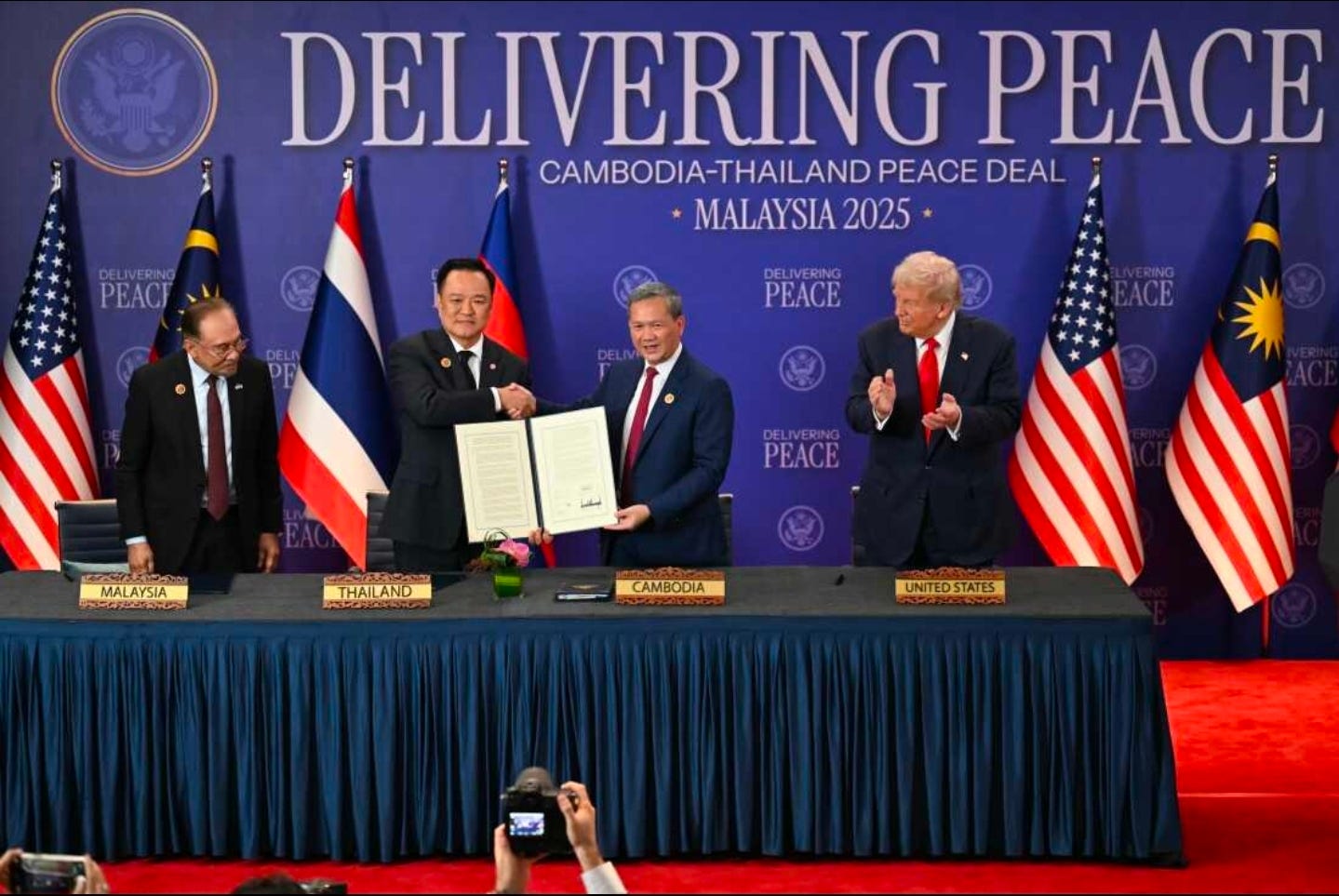
None of this was forced. These nations are acting on logic, not pressure. They see what happens when global markets shift. They understand that stability and access to the American consumer base mean survival in a world that is no longer globalized, but reorganized. Trump didn’t threaten them. He offered predictability in a global economy that has been anything but.
Japan: From Ally to Anchor
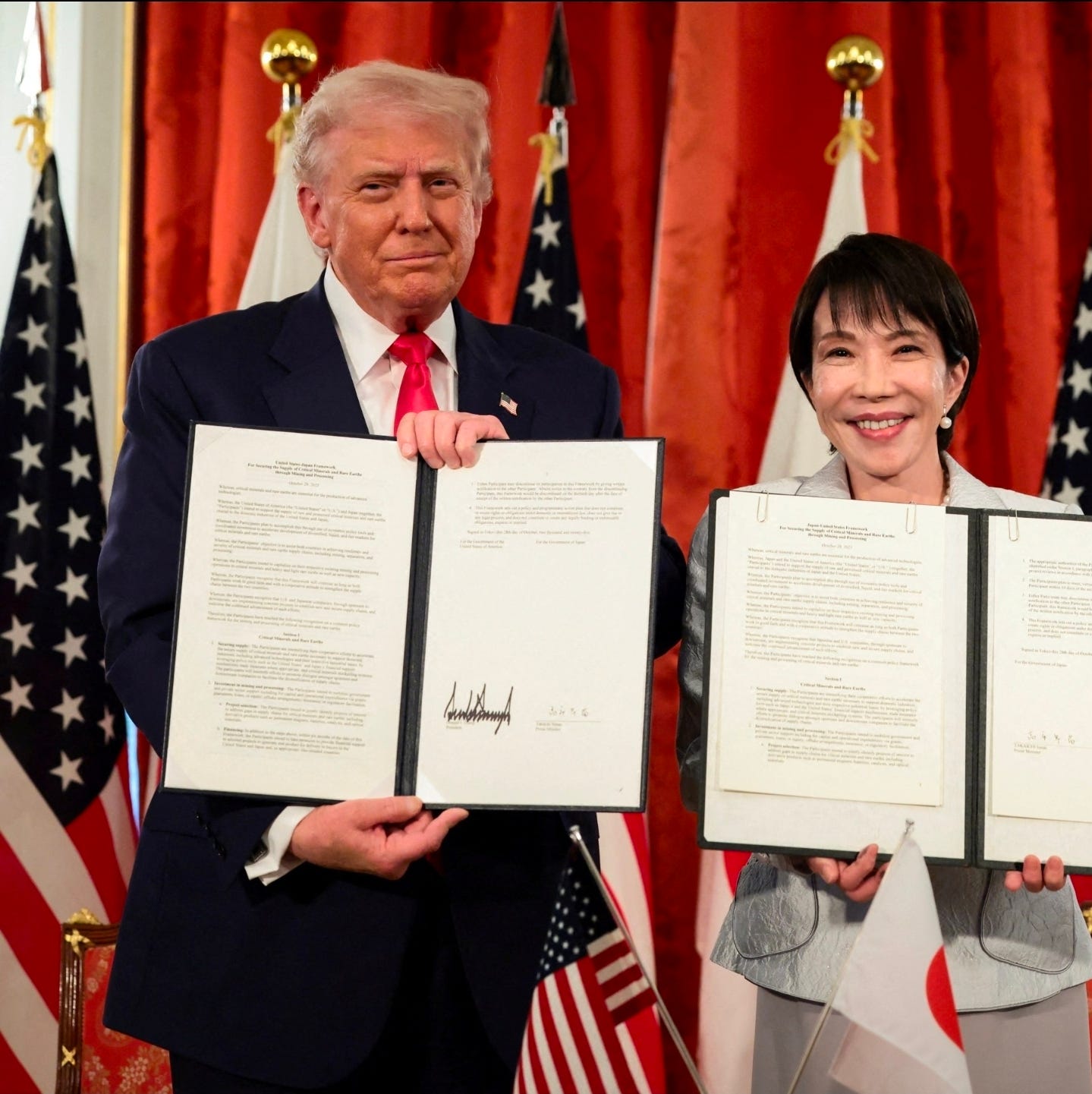
In Japan, the message became even clearer.
Trump’s meeting with Emperor Naruhito was ceremonial, but his discussions with Prime Minister Sanae Takaichi were strategic. Together they announced major joint ventures in shipbuilding, semiconductors, and critical minerals. Japan wasn’t conceding. It was investing.
Tokyo knows the myth of the “free market” is over. For decades, Japan faced U.S. tariffs while quietly protecting its own industries. Every nation played that game. The difference now is that Trump stopped pretending it was fair. He’s putting real value on access to the American consumer. Japan understands that, and it’s choosing partnership over posturing.
This isn’t dominance. It’s mutual realism. Japan gains security and industrial cooperation. The U.S. gains reliability and a trusted partner in the Pacific. Both sides walk away stronger.
The Xi Factor: The Real Test
The next stop is the one the world is watching. The anticipated meeting with Xi Jinping.
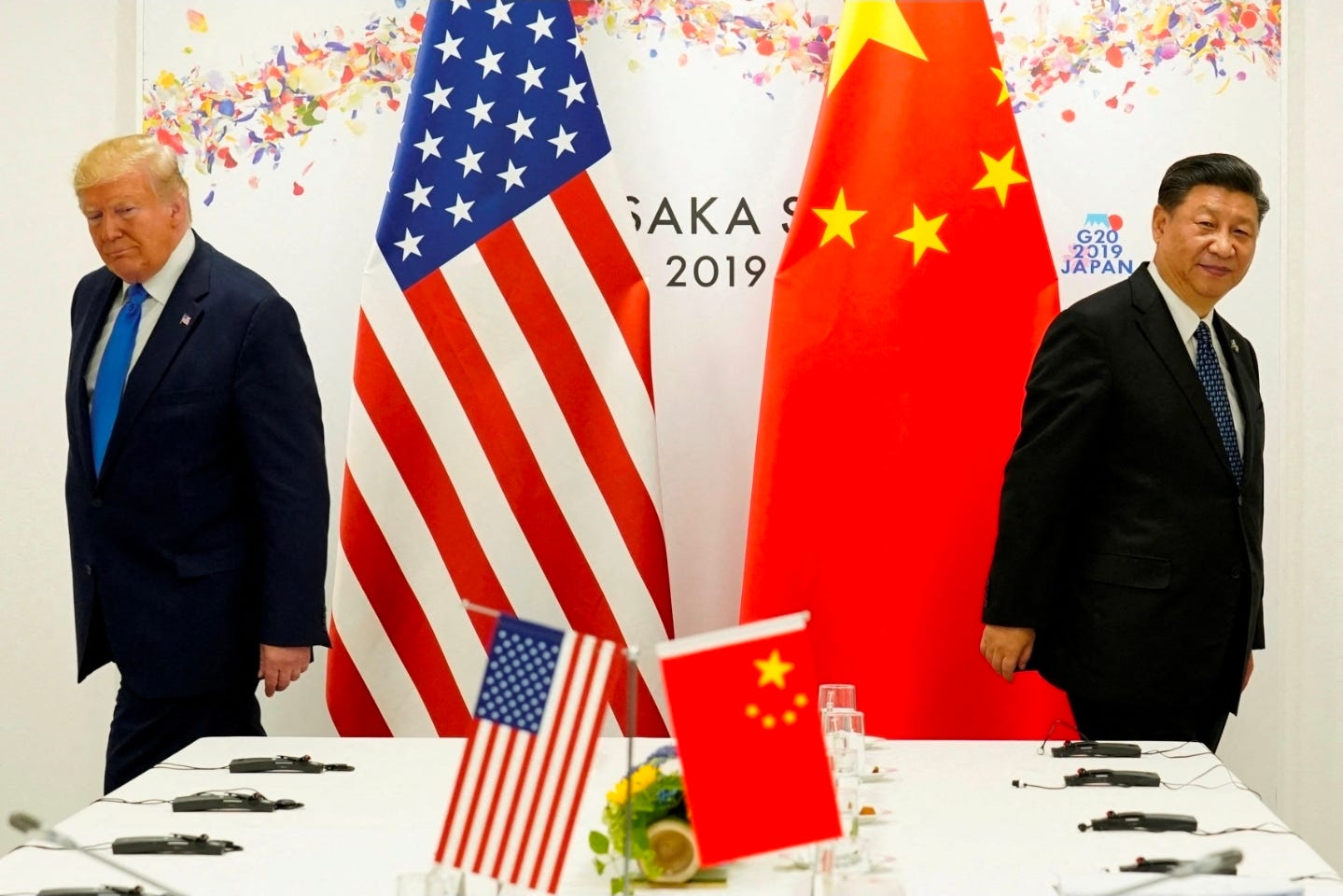
Every move up to now has been groundwork. Southeast Asia was the opening gambit. Japan was the stabilizer. Together they set the stage for Trump’s meeting with China. Negotiators are working toward a limited truce that includes a pause on new tariffs and a rollback of Chinese export restrictions on rare earth elements.
On paper, that looks like compromise. In reality, it’s an acknowledgment of where the power sits. China controls production. The United States controls demand. And demand is king.
For years, Beijing manipulated its currency, subsidized its industries, and hid behind the idea of “free trade.” That illusion is over. Trump forced the conversation into the open. You can’t sell into the U.S. economy while undermining it. That’s not partnership. That’s parasitism. And it’s finished.
The New Model: Leverage, Not Looting
The postwar order sold Americans on a comforting lie. That trade was fair, markets were open, and everyone played by the same rules. It was never true. The United States was the only nation actually following the rule book. Everyone else was writing their own, hiding behind talk of “free markets” while running protectionist economies that served their interests.
Trump’s model replaces illusion with arithmetic. In Southeast Asia, nations are securing stability and access by linking their manufacturing and mineral exports directly to the U.S. market. Japan is locking in its future through deeper integration with American industry, building a shared foundation for technological and industrial strength. Even China, after years of gaming the system, now faces a choice: continue trying to manipulate the system, or adapt to a world where access to the U.S. market comes with accountability.
This isn’t empire. It’s enforcement. For decades, the American market has been treated like an open buffet while everyone else guarded their own kitchens. Those days are over. The United States remains the largest and most desirable consumer base in the world, and the price of entry now reflects its worth.
The change is simple but seismic. No more illusions. No more free rides. Just honest terms and measurable value.
The New Hierarchy
By the time Trump returns home, the global map won’t look like a web of equals. It will look like what it’s always been — a hierarchy built on who buys and who sells. The United States sits at the top because it can. Not through force, but through value.
Trump didn’t end globalization. He ended the illusion that it was fair. He didn’t destroy the free market. He revealed that it never existed. What he’s building now isn’t chaos. It’s structure.
This trip isn’t diplomacy. It’s the collection of debts long overdue.
And this today, when this piece goes live, the world will be watching the man who stopped pretending and finally called the bluff.
Ada Nestor is the co-host of the The Conservative Voice radio show in Philadelphia and writes Reflections from the Edge on substack. You can reach her on X at @AdaNestorWC.