
Reduce size of Pennsylvania General Assembly? Sen. Boscola says yes.
The Pennsylvania General Assembly – the legislative body consisting of the House of Representatives and the Senate – is comprised of 253 members.
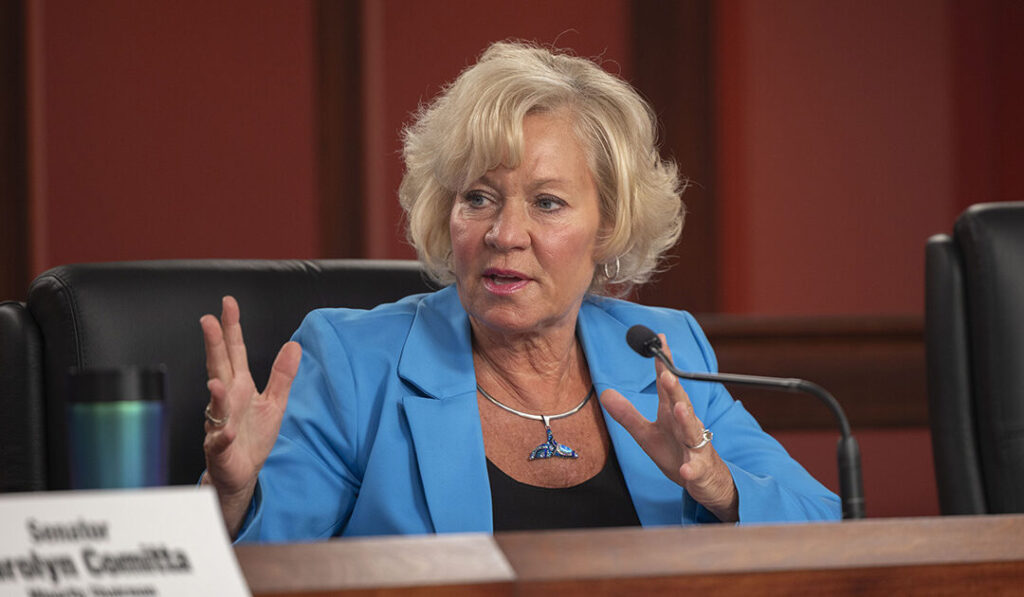
Sen. Lisa Boscola (D-Lehigh/Northampton) says its size and cost has become unsustainable and wants to do something about it.
Boscola will be introducing legislation to reduce the size of the legislative chambers, calling for a reduction in the House from 203 to 101 members, while decreasing the Senate membership from 50 to 38.
That’s a 50 percent reduction in the House and a 36 percent hair trimming in the Senate.
“This proposal is about responsible stewardship of taxpayer dollars,” she wrote in her cosponsorship memo. “Fewer legislators will reduce the overall cost of government by lowering expenses related to salaries, benefits, staffing, and daily operational costs. It will also allow us to modernize how we serve our constituents, taking full advantage of technological tools that make it easier than ever for elected officials to stay connected to the people they represent, even within larger districts.”
Pennsylvania has the second-largest state legislature in the country, according to figures from the National Conference of State Legislatures (NCSL), at 253. Only New Hampshire has a larger body with 400 House and 24 Senate members – and it’s part-time.
Just four other states – Georgia (236), New York (213), Minnesota (201) and Massachusetts (200) – have more than 200 legislators and only the aforementioned Granite State has more than 200 in a single chamber.
“Beyond the fiscal and procedural benefits, this reform is a direct response to what we continue to hear from voters across the Commonwealth,” said Boscola. “Pennsylvanians have repeatedly expressed their desire for a smaller, more efficient, and more accountable legislature. This legislation offers a real opportunity to deliver on that expectation.”
NCSL figures show Pennsylvania legislators receive an annual salary of $106,422.33, as well as 67 cents per mile for travel and $185 per diem. Only California ($128,215, $214) and New York ($142,000, N/A) legislators receive a higher compensation than their Keystone State brethren.
Remember New Hampshire? Their legislators receive an annual salary of $100.
Legislation seeking to reduce the state legislature faces a tough road to becoming law. Any change would require an amendment to the Pennsylvania Constitution, the passage of identical versions of the bill by the legislature in back-to-back sessions, and ratification by voters through a simple majority.
Steve Ulrich is the managing editor of PoliticsPA, where this article originally appeared.


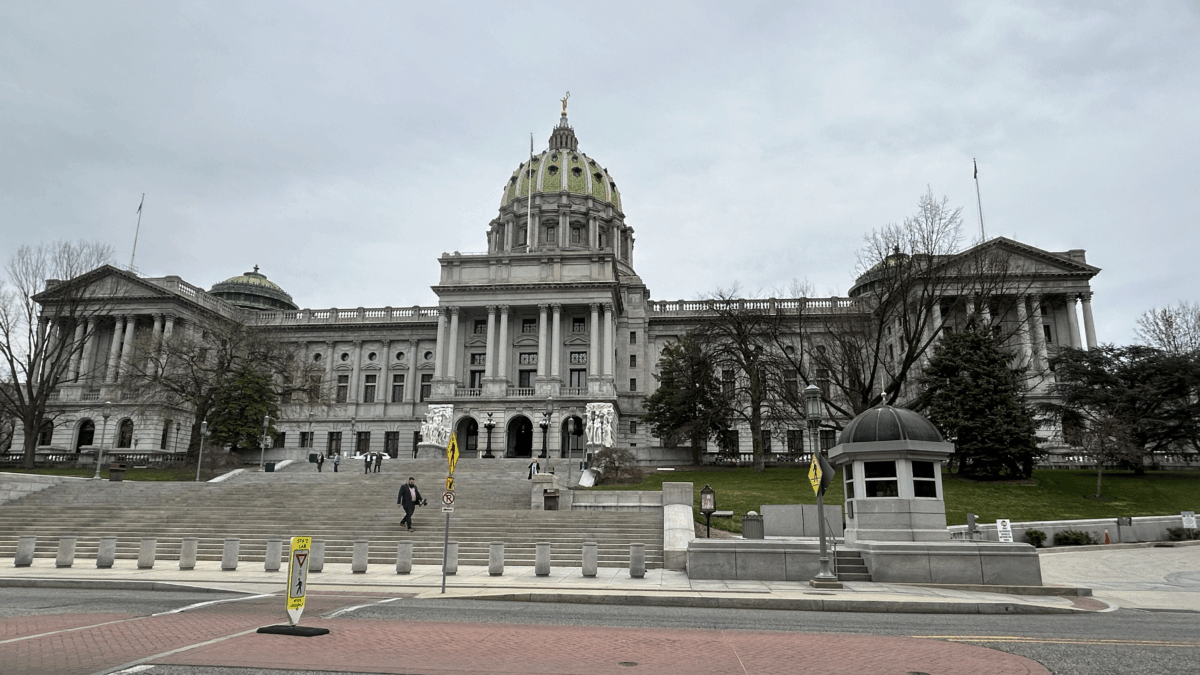
One of the big downsides to reduction in the size of the House is the loss of the ability to influence legislation adverse to or benefitting the population that does not live in the metro areas of the state ( Metro areas being: Pittsburgh metro, Lehigh Valley Metro, Philadelphia Metro) There will under shrunken House membership always be a majority of metro area representatives. A permanent majority able to get its programs through and block any rural/non-metro benefitting them. This is, of course, the Holy Grail of the Democratic Party, rule without restraint. Just take a look at California, you can see the results of a permanent majority government.
The problem with PA’s legislature isn’t the size, it’s that it’s full time. Many states have part time legislatures that are constitionaly mandated to adjourn after a set period, say 60 days. Somehow they get the job done and then go home to live with their constituents rather than in the state capital. 60 days in Harrisburg should be enough for anyone.
At one time in the mist shrouded past, Pennsylvania had a bi-annual Assembly, meeting in official session every two years. I don’t recall when it was changed and the justification for the change. I don’t know if it was due to the Great Depression or some other calamity. I can see where today’s issues and problems could be handled in one official session once every two years, but if all the ancillary functions of government were allowed to continue out od session, maybe we should give it a try. I would point out that activities occurring out of session would probably not get much news or public scrutiny. allowing the power brokers to operate in the shadows.